
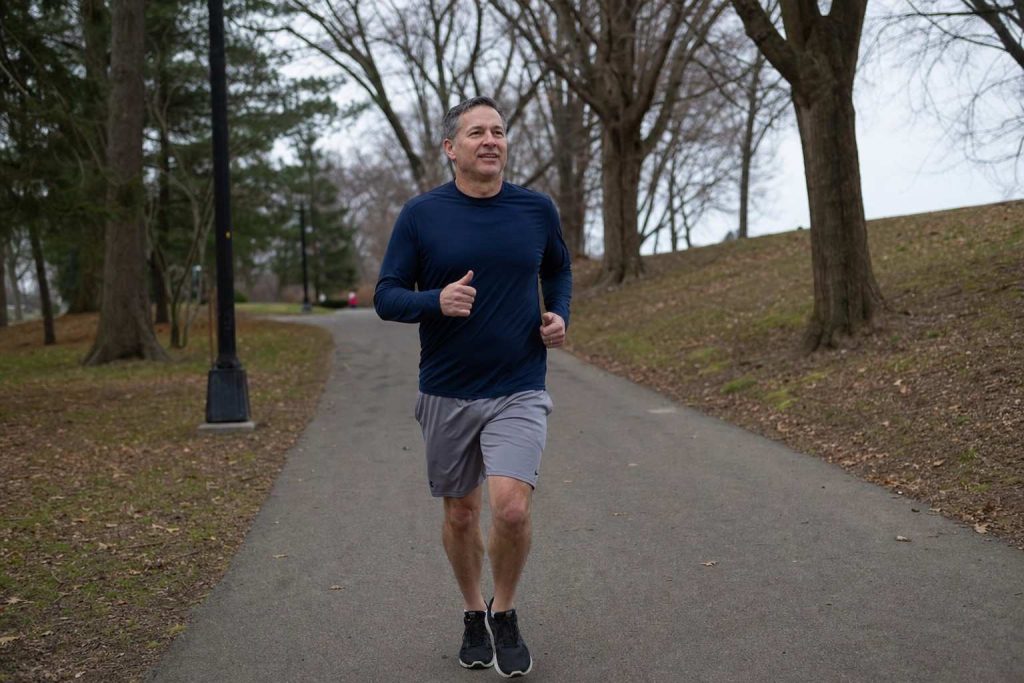
Does Running Ruin Your Knees? What the Research Actually Says
The fear that running wears out your knees keeps a lot of returning adults on the couch. The research points the other way, with one honest exception worth knowing.
The fear that running wears out your knees keeps a lot of returning adults on the couch. The research points the other way, with one honest exception worth knowing.
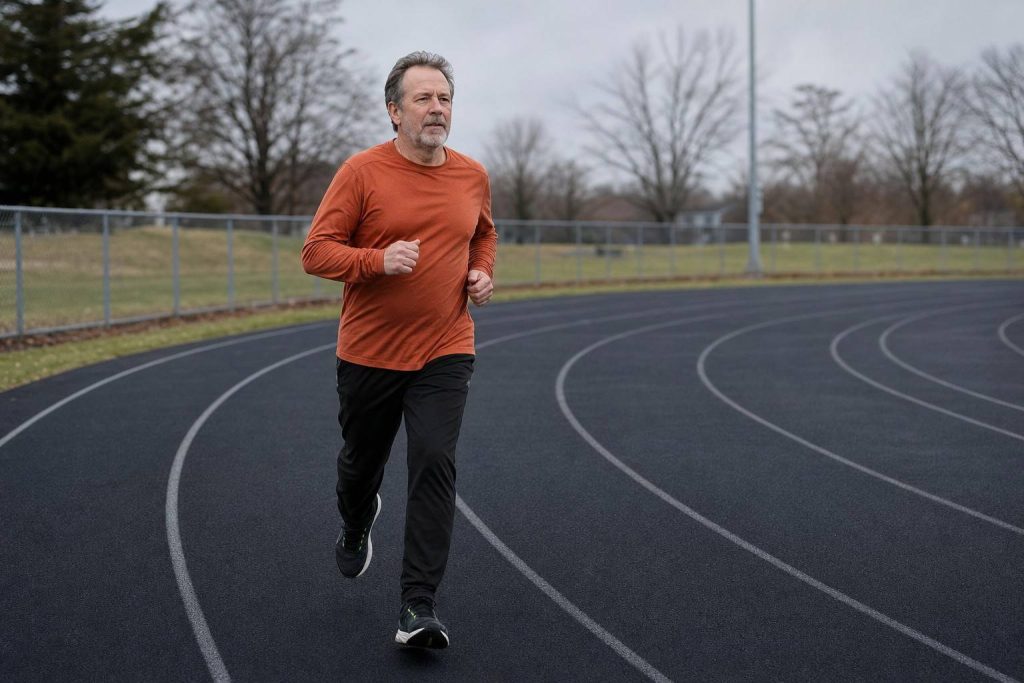
The honest, physiology-based answer for a returning adult: your fitness is not gone, it comes back faster than it built the first time, and different parts of you recover at very different speeds.

A morning walk asks almost nothing of you and gives a lot back, making it one of the most reliable anchors for a returning adult rebuilding a fitness base.

A handful of simple, no-equipment strength moves that protect a returning runner’s knees, hips, and Achilles, so the comeback lasts past week six.

Returning to running after 50 works best when you build slower than you think you need to, use a walk-run approach, and stop comparing yourself to who you were at 30.

Weather will test every comeback at some point. Here is how to handle heat, cold, rain, and dark months without losing the progress you built.

The goals that worked at 25 rarely survive a comeback at 45. Here is how to set targets that meet your body where it actually is right now.
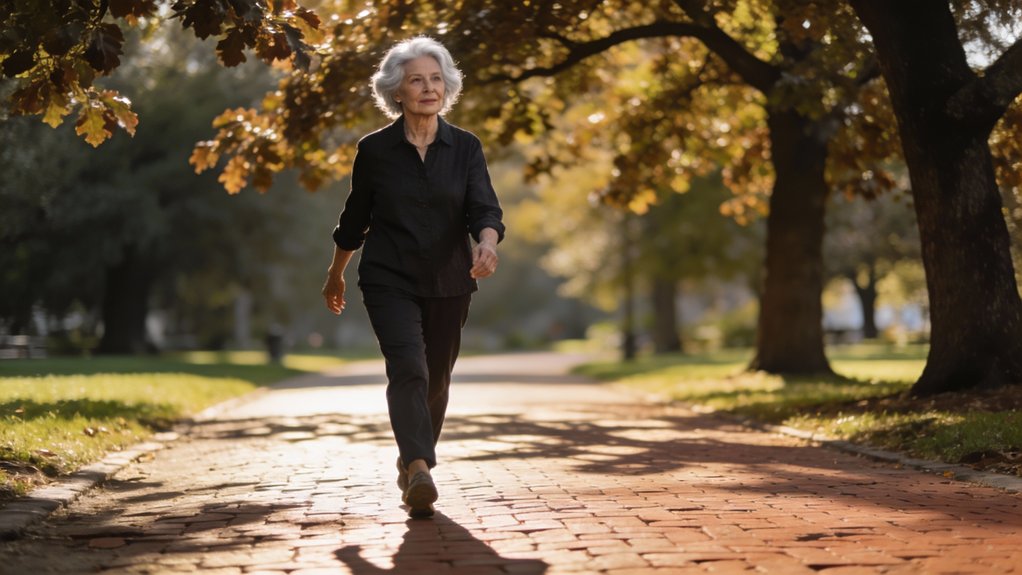
Walking every day does more than build aerobic base. It quietly trains the coordination and stability that protect your joints and keep your running form honest.

Most comeback injuries come from one fixable mistake, not from age or poor fitness.

If you’re coming back to running after a long gap, a few quiet form adjustments can protect your body and make every mile feel less like a fight.