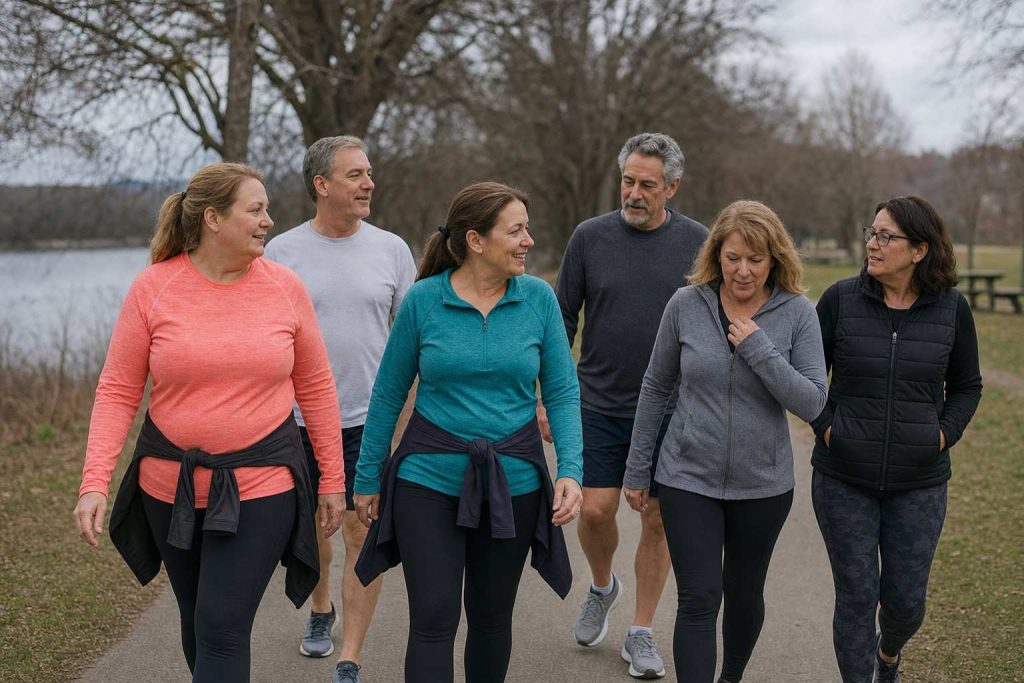
Most comebacks stall before they really start.
Not because of bad intentions. Because the plan is too big, the first week is too hard, and the body or the schedule pushes back before the habit has a chance to stick.
A morning walk sidesteps most of that.
It is low stakes, low impact, and easy to repeat. And for someone returning to regular movement after a long gap, repeatable is everything.
Why mornings make the habit easier to protect
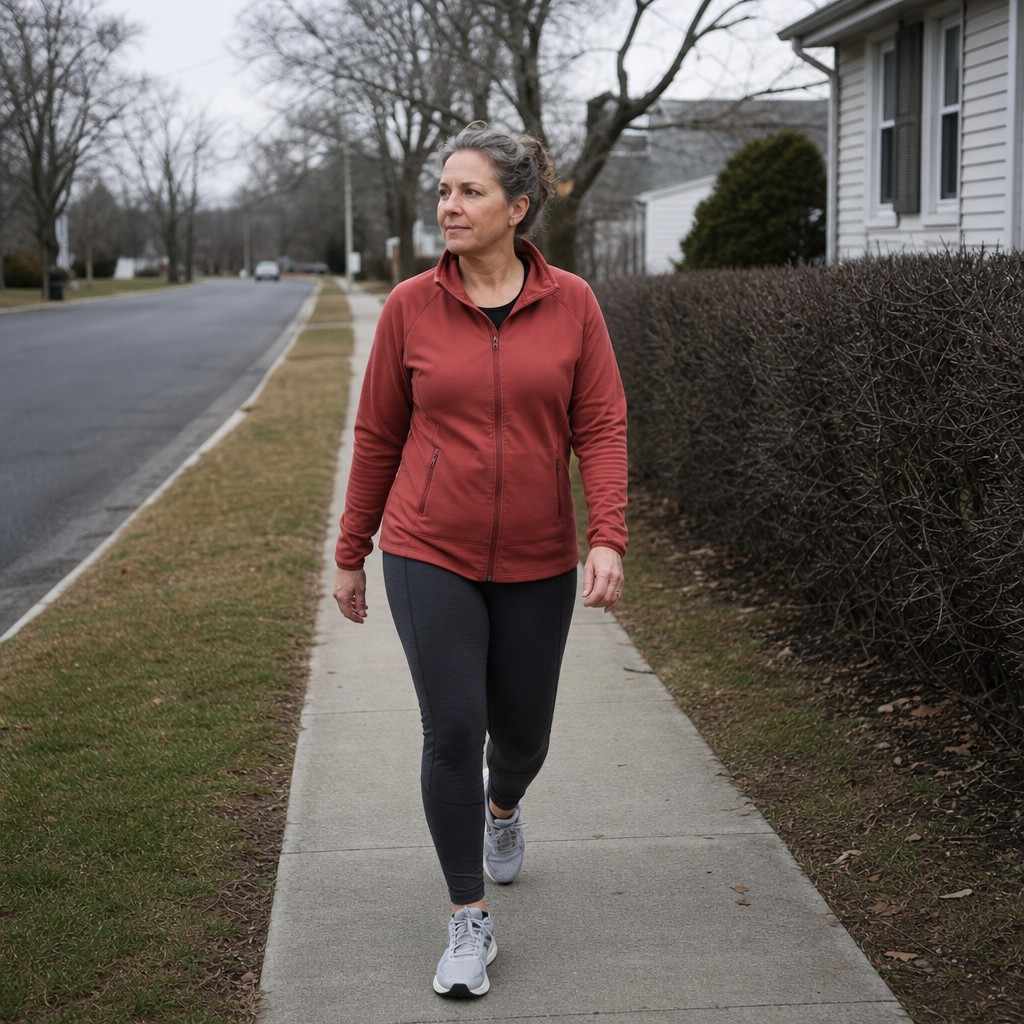
A walk that happens before the day fills up is a walk that actually happens.
Evening plans shift. Work runs long. Energy dips. The morning slot is more predictable than most.
There is also something useful about starting the day with movement already done. The rest of the day runs on a different mental baseline. According to the CDC, adults benefit from at least 150 minutes of moderate activity per week, and brisk walking qualifies. A 25-minute morning walk five days a week covers that threshold with room to spare.
You do not need a gym or a program. You need a pair of shoes and a consistent time.
What morning movement does for the body
Brisk walking gets the heart rate up into the moderate-intensity zone without stressing the joints the way running does.
For the returning adult, that distinction matters. After a long gap, the aerobic system and connective tissues come back at different speeds. Walking builds the cardiovascular base while giving tendons and joints time to catch up. It is the same logic covered in how to start walking for fitness applied here with one added advantage: the morning timing reinforces the routine.
A few things that happen consistently with regular brisk walking:
- Resting heart rate tends to drop over weeks, a sign the heart is working more efficiently
- Mood improves, partly from increased circulation and partly from serotonin and dopamine activity during moderate exercise
- Sleep quality often improves, which feeds back into energy the following morning
- Blood pressure edges down in people who are mildly elevated, according to the American Heart Association
None of these are dramatic. They accumulate. Accumulated is how a comeback becomes a habit.
The goal of the first month is not to get fit. It is to still be walking in month two.
How to start without overdoing it
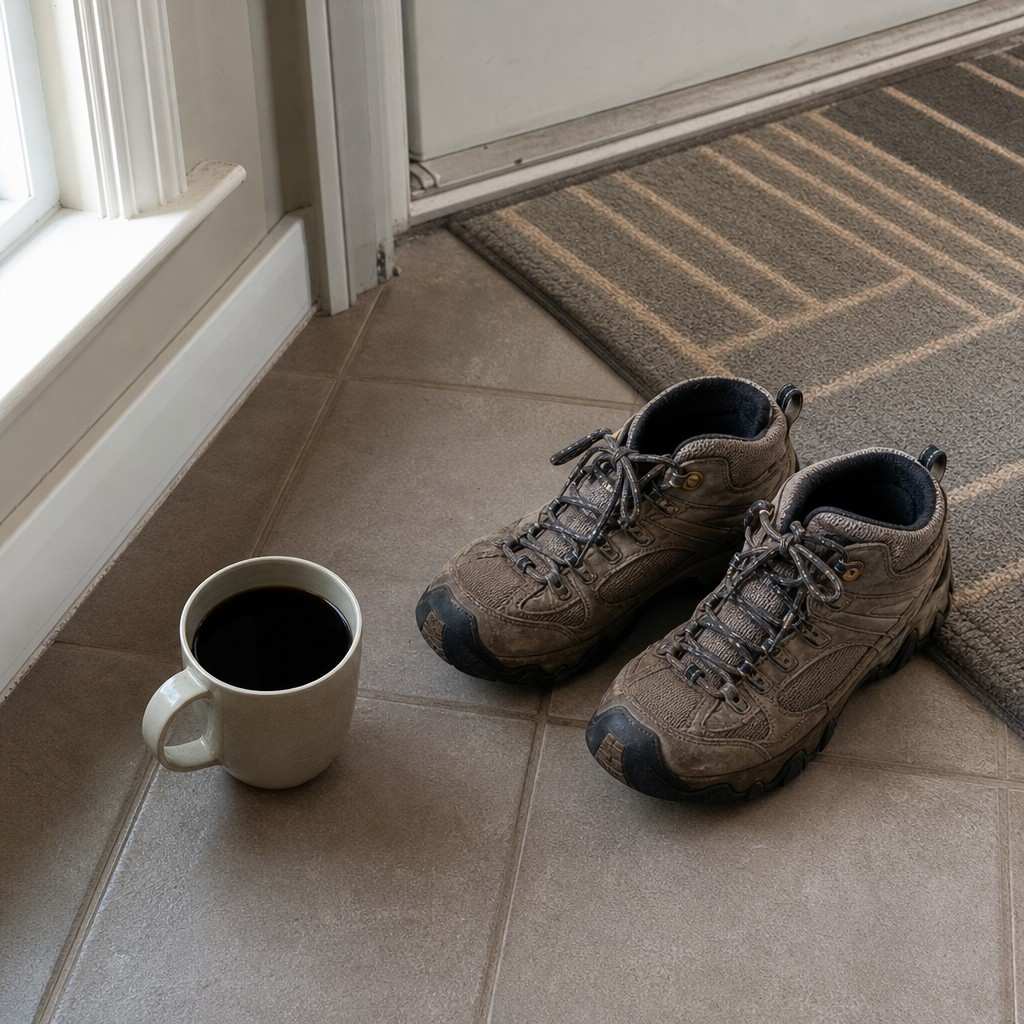
Short sessions work. Ten or fifteen minutes is enough for the first week.
The instinct coming back is to push harder than necessary because it feels like you are behind. That instinct is the reason most well-intentioned comebacks end with something sore in week two.
A simple structure to start:
- Three or four mornings a week at 15 to 20 minutes, brisk but comfortable
- One rest day between sessions if your legs are feeling the previous walk
- No tracking of pace; track only time and consistency
By the third or fourth week, extending two sessions to 25 or 30 minutes is a reasonable next step. Keep one session easy. The base builds faster when you are not recovering from overdoing it.
Once this feels routine, mixing in variety is what keeps it going, and why variety and structure make a comeback stick makes the case for how to do that simply.
Morning light and mood
One thing that gets less attention than it deserves: natural morning light.
Exposure to outdoor daylight in the first hour or two after waking helps regulate the body’s internal clock. This has downstream effects on sleep timing and mood stability across the day. Indoor treadmill walking is fine for fitness purposes, but stepping outside adds something a screen cannot replicate.
Five minutes of daylight in the first hour matters more than most people expect.
For the returning adult dealing with the motivation dips that come with starting again, this is worth taking seriously. Mood is part of the comeback. Movement that lifts it is not a bonus feature.
What to wear and what not to overthink
A well-fitted pair of walking shoes is the only equipment that genuinely matters.
Look for decent cushioning, a fit that does not pinch at the toe, and enough breathability for your climate. A light layer in cooler months, moisture-wicking fabric in warmer conditions. Anything more than that is optional.
If you want to browse options before committing, comparing walking shoes for beginners on Amazon is a reasonable starting point.
This is general information, not medical advice. If you are returning after an injury or have a health concern, check with your doctor before increasing activity.
The point is consistency, not pace
A morning walk does not have to be long or fast to count.
It has to happen regularly. Twenty minutes at a pace where you can hold a conversation, three or four mornings a week, done consistently over several weeks, is a genuine base. Not a placeholder for real training. A real starting point.
The comeback does not need to be impressive at the start. It needs to keep happening.
That is what a morning walk is built for.