
Can you get back into running at 50? Yes. Thousands of people do it every year.
The part that trips most of them up is not age. It is doing it the same way they did it at 25.
The comeback is real. The ramp just has to be gentler this time.
Before increasing activity significantly, especially after a long gap or if you have existing joint or heart concerns, it is worth a quick check-in with your doctor. This is general information, not medical advice.
Start with walking, not running
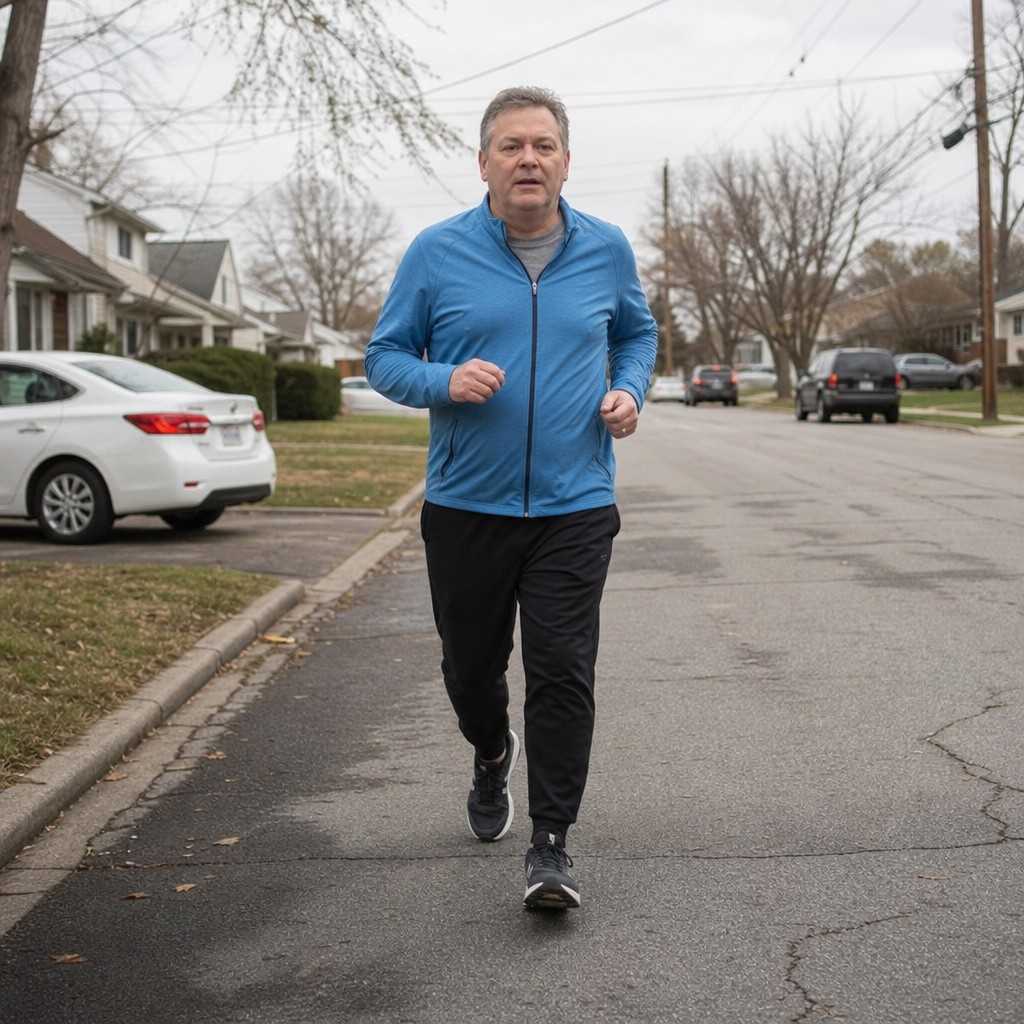
Three weeks of walking-only sessions is not wasted time. It is the foundation that keeps the comeback going past week four.
Start with 10 to 15 minutes three times a week. Keep it easy enough that you could hold a conversation.
Your cardiovascular system may feel ready to run within days. Your tendons, ligaments, and connective tissue adapt on a slower timeline. That gap is where most returning runners get hurt.
Walking first closes the gap.
Add running with intervals, not distance
Once the walking base feels easy, introduce running with a simple walk-run structure.
One minute running, one minute walking is a straightforward starting point. Repeat for 15 to 20 minutes total.
- The running intervals build your aerobic base without overloading your joints.
- The walking intervals are recovery, not failure.
- As your body adapts over two to three weeks, extend the running segments gradually.
There is no rush to run continuously. Many returning runners find that rebuilding endurance through easy intervals is what carries them through the first few months without a setback.
The comeback that lasts is the one that never asks you to push through real pain.
Pace: easy enough to talk
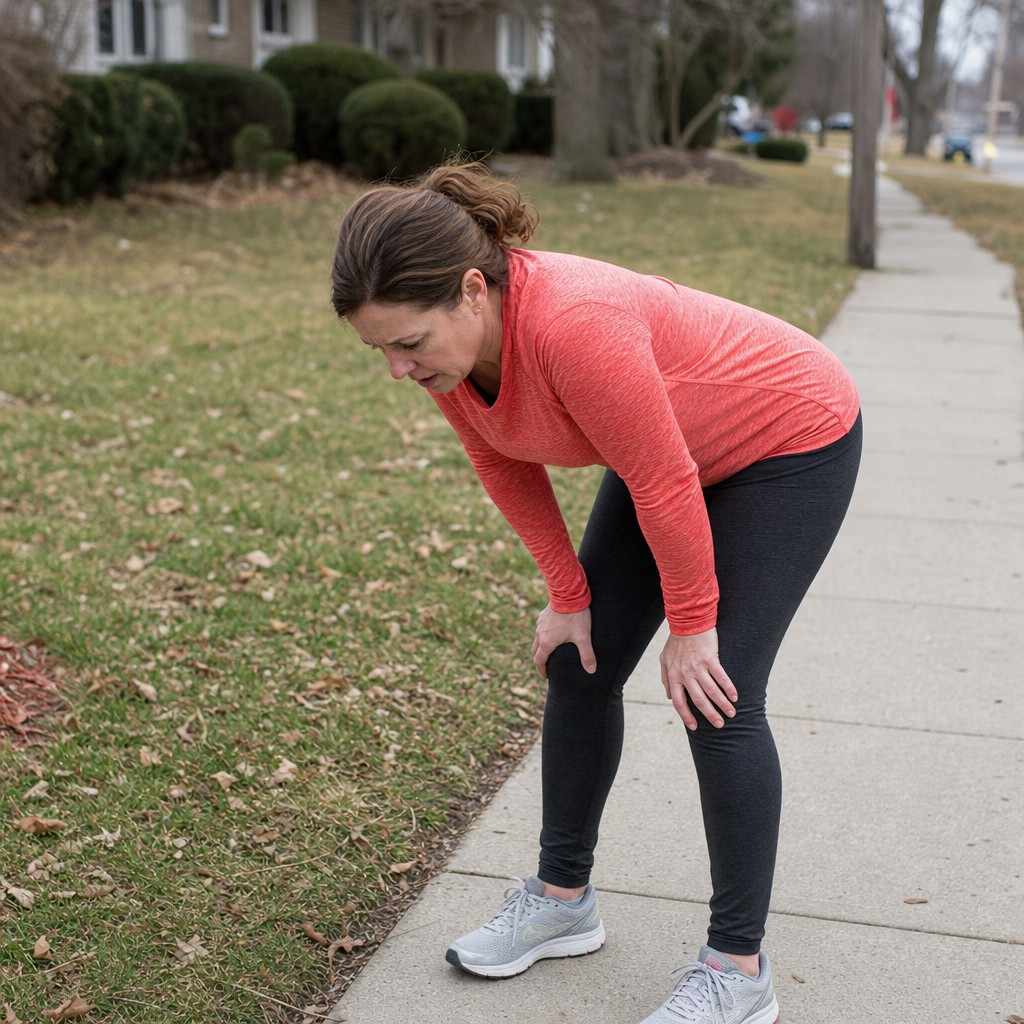
Your pace on the first several weeks back should feel almost too easy.
A simple check is the talk test. If you can speak in full sentences while running, you are in the right zone. If you are gasping between words, ease off.
At 50 and beyond, recovery between sessions takes longer than it did in your thirties. Running too hard on your easy days eats into that recovery window and compounds over the week.
Slow is not lazy. Slow is the right gear for a base you’re rebuilding.
Three days a week is enough to start
Three sessions a week with at least one rest day between each is a workable structure.
Something like Monday, Wednesday, and Saturday gives you recovery time without losing momentum. The gap between sessions is when adaptation happens, not during the run itself.
A sensible week might look like this:
- Day 1: 20 minutes walk-run
- Day 2: rest or light walking
- Day 3: 20 to 25 minutes walk-run
- Day 4: rest
- Day 5: slightly longer session, still easy
- Days 6 and 7: rest or one light walk
The spacing matters more than the total minutes at first.
Get fitted, not just shod
Running in old or generic shoes is one of the easier mistakes to fix.
Head to a running store for a gait analysis. They will watch you walk and jog briefly, then match you to a shoe type that fits your stride. Some runners need stability, some need extra cushioning, some need something in between.
Sizing varies across brands, so try several. Leave a thumb’s width of space between your longest toe and the end of the shoe.
Replace shoes every 300 to 500 miles. Worn-out cushioning stops protecting the joints it was designed to protect.
Track minutes, not miles
For the first couple of months, ignore pace and distance. Count time on your feet instead.
The CDC’s Physical Activity Guidelines recommend about 150 minutes of moderate activity per week for adults. That is a reasonable target to build toward, not where you start.
Begin with 15-minute sessions. Add five minutes per week until you are in the 30-minute range, three times a week. That gets you close to the target and lets your body adapt at a rate it can absorb.
Miles and pace can come later, once the habit is solid and the legs are ready.
Add strength work alongside the running
Running places more load on the legs and core than most people expect. After 50, muscle mass declines gradually if it is not actively maintained, which means joints absorb more of that load.
Two short strength sessions a week changes that picture considerably.
Planks and bridges for the core. Squats and lunges for the legs. Nothing elaborate. According to the American College of Sports Medicine, regular strength training supports joint stability and helps offset the muscle-mass changes that come with age.
Strength work is not a supplement to the comeback. It is part of it.
Once you have a base and want something to train toward, it helps to think about what kind of event actually fits where you are now before you sign up for anything. The goal shapes the training, so it is worth getting right.
Expect different, not worse
The most useful mindset shift for returning runners over 50 is this: the body is not broken. It is operating on a different timeline.
Recovery takes longer. Progress looks slower in the early weeks. Effort that used to feel easy might not, at first.
None of that means the fitness is gone. It means the ramp needs to be calibrated to where you are now, not where you were at 30.
A comeback built on consistent easy work, adequate rest, and enough variety to keep the body engaged is a comeback that lasts.
Coming back is not starting over. It is starting smarter.