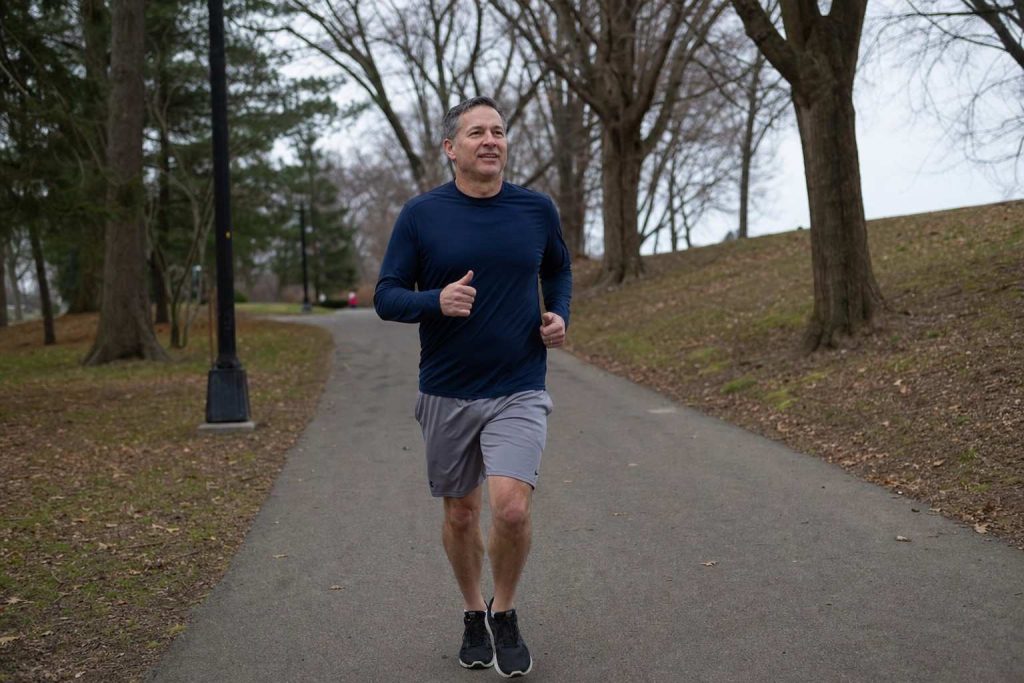
It is the warning every returning runner has heard, usually from someone who does not run: all that pounding will wreck your knees.
It sounds obvious. It is also, for most people, backwards.
Recreational running does not appear to ruin knees, and may actually protect them. That is not wishful thinking from a running blog. It is the consistent finding across large reviews of the research, and it is worth understanding before you let the knee fear keep you sedentary, because sedentary is the genuinely risky choice.
What the research actually found
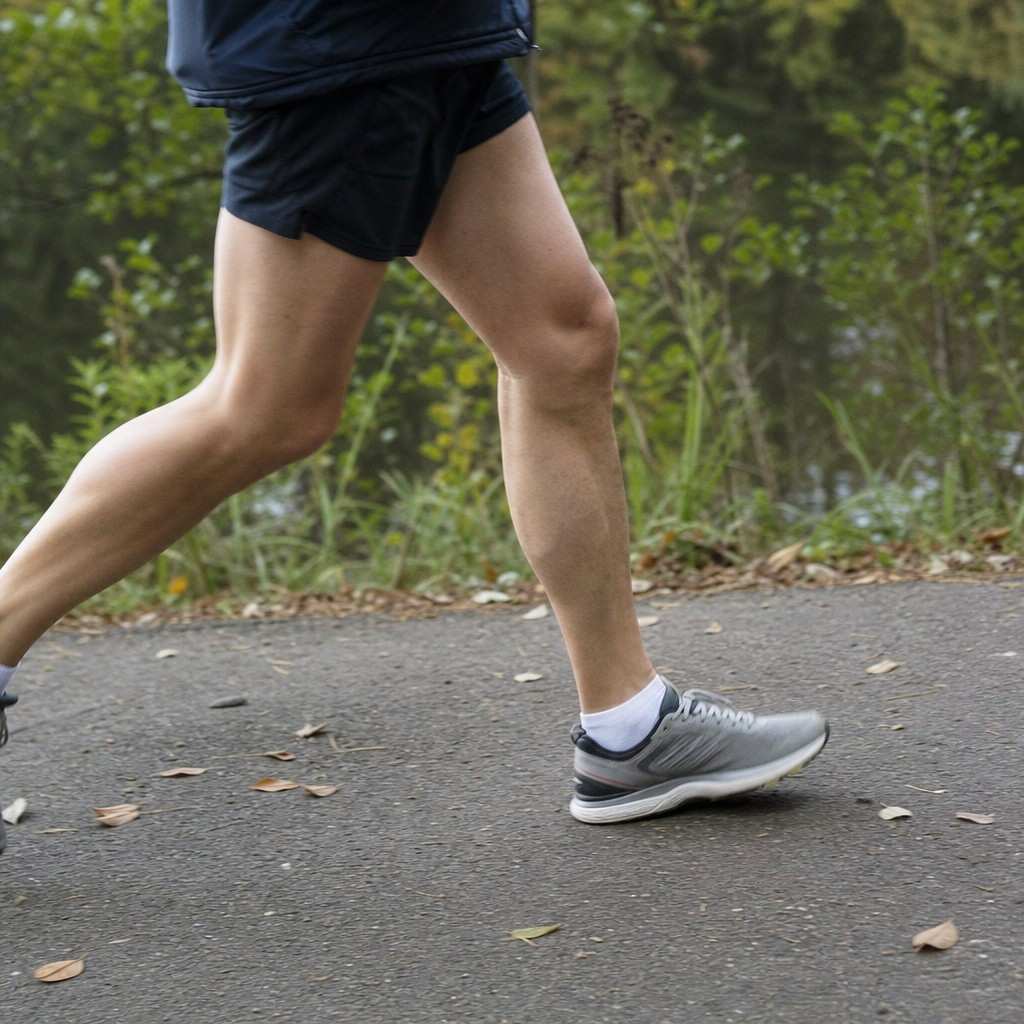
When researchers pool the data, the pattern is remarkably steady: people who run recreationally have less knee arthritis than people who do not run, not more.
One widely cited 2017 systematic review found hip and knee osteoarthritis in about 3.5 percent of recreational runners, compared with around 10.4 percent of non-runners. Harvard Health summarizes the evidence on whether running causes arthritis and lands in the same place: for most people, it does not.
A large cross-sectional analysis from the long-running Osteoarthritis Initiative reached a similar conclusion. Researchers reported that a history of running was not associated with a higher risk of symptomatic knee osteoarthritis, and if anything the runners tended to do better.
The couch is not the safe option. For most knees, motion is protection, not punishment.
That fits what we know about how joints work. Cartilage has no direct blood supply, so it relies on movement to push fluid and nutrients through it. Regular, moderate loading is part of what keeps it healthy.
Why the myth feels so true
If running were really grinding knees down, the myth would not need defending. So why does it persist?
A few reasons. Sore knees after a comeback run feel like damage, when they are usually just unaccustomed tissue protesting a sudden jump in load.
Stories travel, too. The one person who ran too much and needed a knee replacement gets remembered. The thousands who ran for decades and stayed fine do not.
Soreness is not the same as damage.
And the people most likely to develop joint problems, those carrying old injuries or extra load, are often advised to stop moving, which removes one of the things that actually helps.
The honest exception

Good authority means telling you where the reassurance stops.
The protective pattern holds for recreational running, the kind most returning adults do. The picture changes at the extreme end. The same body of research that clears moderate running tends to find higher osteoarthritis rates in competitive and elite runners, the people training at high volume and high intensity for years.
So the real risk factors are not running itself, but:
- A previous serious knee injury, especially surgery or a torn ligament
- Very high training volume sustained over many years
- Carrying significant extra body weight while ramping up quickly
- Returning too fast and ignoring pain that lingers
For the everyday comeback runner doing a few sensible miles a week, none of those describe you, and the evidence is firmly on your side.
What this means for your comeback
The takeaway is freeing: you do not have to choose between running and protecting your knees. Done sensibly, running is one of the ways you protect them.
That said, “sensibly” carries weight, especially on a comeback:
- Build mileage gradually so cartilage, tendons, and muscle adapt together. The same logic behind avoiding the common comeback injuries applies directly to the knees.
- Add a little strength work. Stronger quads, glutes, and hips change how force moves through the knee, and a few simple strength exercises do more for joint health than any brace.
- Respect real pain. Normal post-run soreness fades; sharp, swelling, or persistent knee pain is a signal to back off and get it checked.
- Be patient with the ramp. Your fitness comes back faster than your joints rebuild their tolerance, which is the same reason the comeback timeline rewards patience.
This is general information, not medical advice. If you have existing knee osteoarthritis, a past knee injury or surgery, or pain that does not settle, talk to your doctor or a physical therapist before starting or increasing a running program. Their guidance for your specific knee beats any general rule.
The knees you are trying to protect are, for most people, better off moving. The research has been saying so for years.