
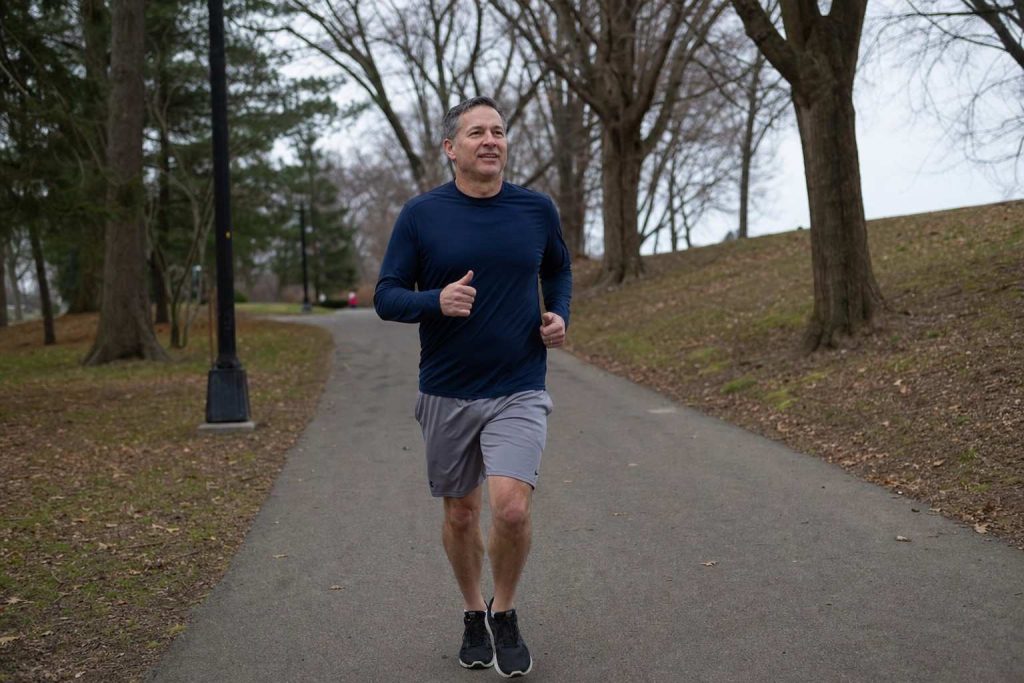
Does Running Ruin Your Knees? What the Research Actually Says
The fear that running wears out your knees keeps a lot of returning adults on the couch. The research points the other way, with one honest exception worth knowing.
The fear that running wears out your knees keeps a lot of returning adults on the couch. The research points the other way, with one honest exception worth knowing.
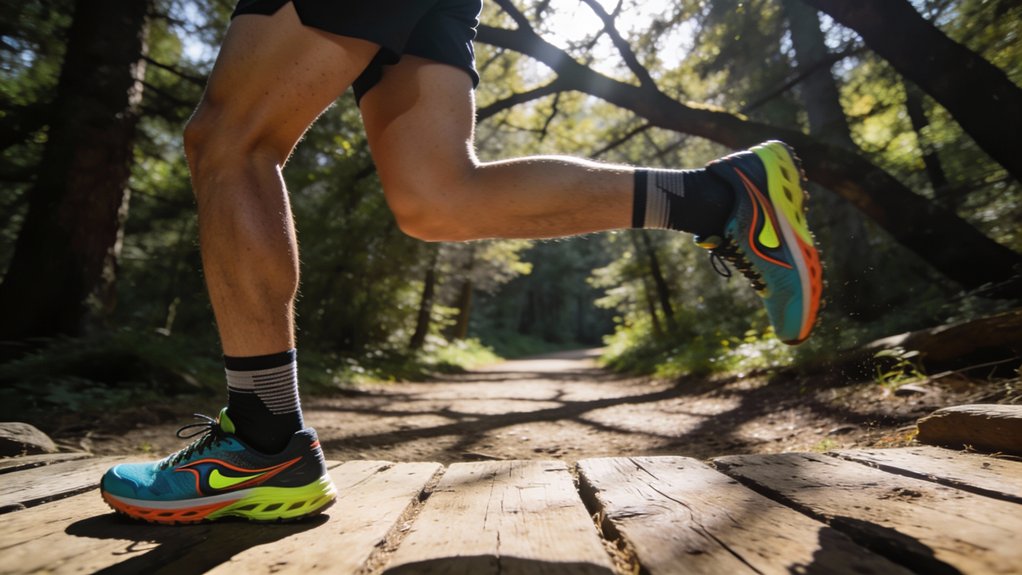
Most comeback injuries come from one fixable mistake, not from age or poor fitness.

If you’re coming back to running after a long gap, a few quiet form adjustments can protect your body and make every mile feel less like a fight.

Cold, returning muscles need a short dynamic warm-up before a walk or run, and five minutes of the right moves makes a real difference.

A coach can help a returning adult run smarter and safer, but it is not the only way to get structure, accountability, and a second set of eyes on your comeback.

Coming back to running after years away means your body needs more recovery than it used to, and understanding that changes how you train.
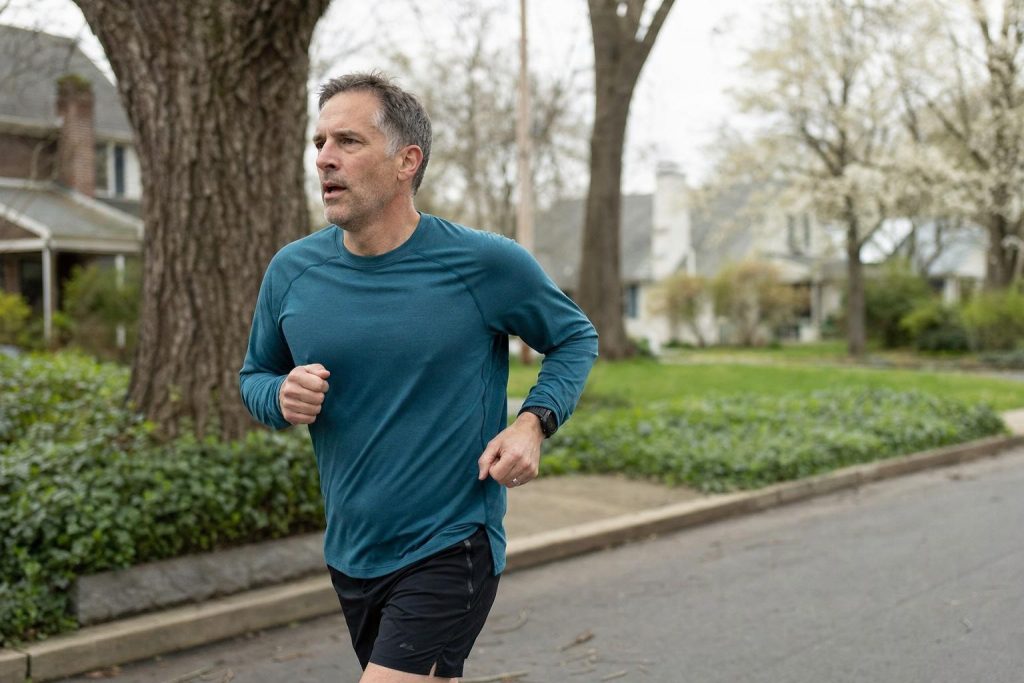
Once you are moving again, these are the specific training levers that grow your running endurance without sending you back to the couch with a sore calf.

Nutrition matters when you’re getting back into running or walking, but it’s simpler than the headlines suggest.

Coming back to running or walking after years off? Here is how to rebuild your endurance the patient way, without the sore-knee setback that ends most comebacks early.