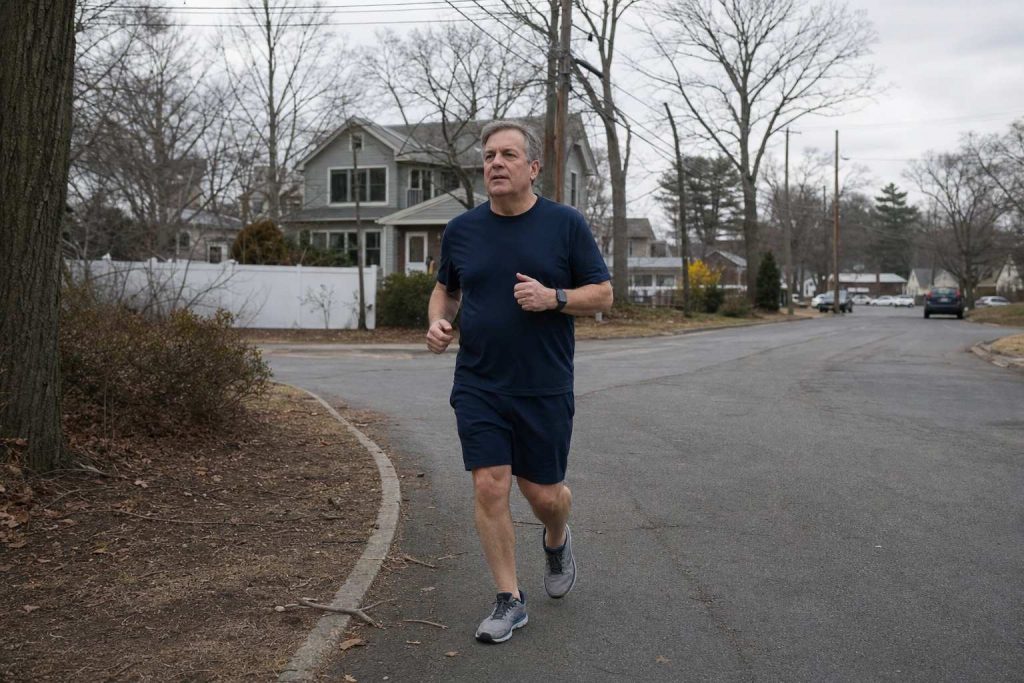
Most returning runners expect the first few weeks to be hard.
They plan for tired lungs, sore legs, a slower pace than they remember. What they do not usually plan for is how long the recovery takes between sessions.
Coming back is not the same as starting fresh. The effort is familiar. The bounce-back is slower.
That gap is not a sign something is wrong. It is biology. Connective tissue, tendons, and cartilage adapt more slowly than the cardiovascular system. Your lungs and heart remember more than your joints do.
Why recovery matters more on a comeback
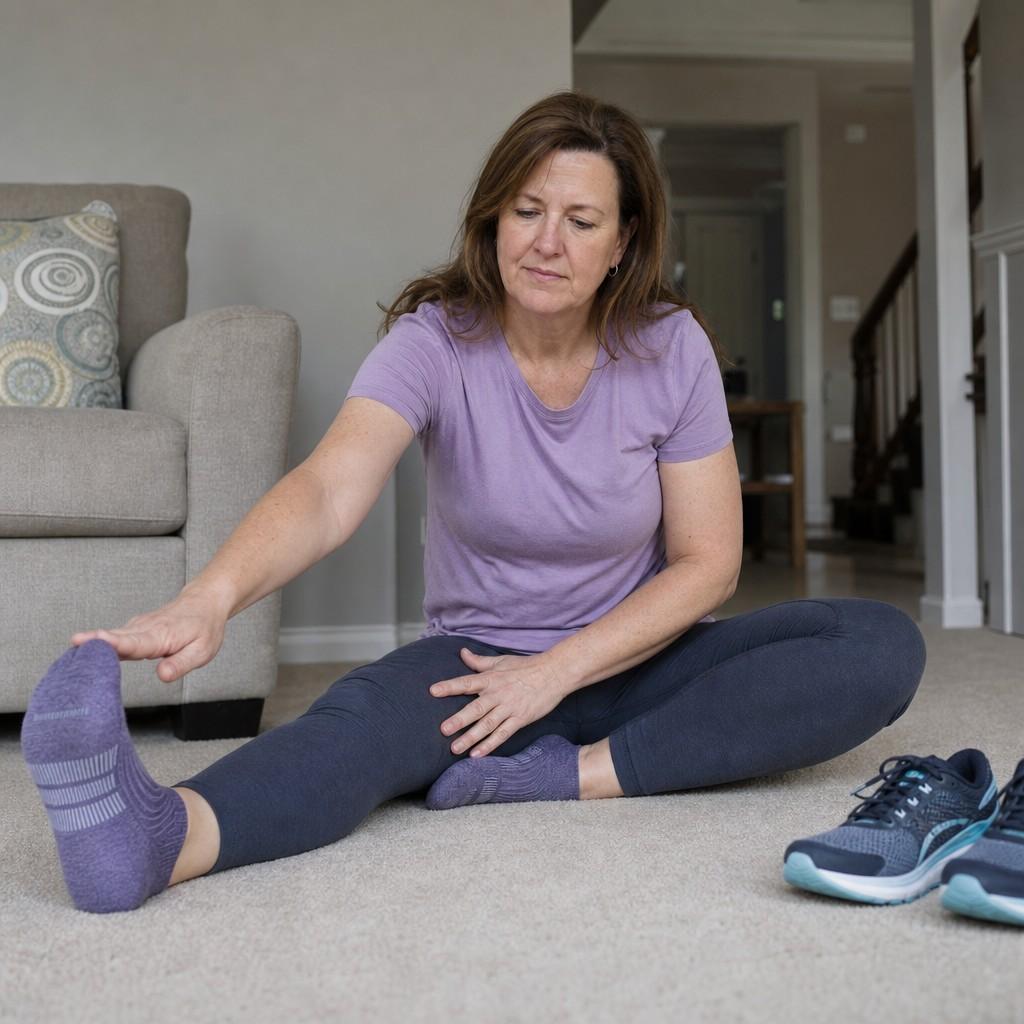
When you were running regularly, your body had adapted to the load. The tissues were conditioned. The adaptation machinery was running in the background.
After years away, that conditioning walks off the job. The aerobic engine starts up faster than the structural components around it, which is exactly why most comeback injuries happen at the joint and tendon level, not the fitness level.
The load outruns the readiness. That is the pattern behind most sore knees at week three.
Recovery is not passive. Each easy day and rest day is when the connective tissue actually catches up. Skip recovery consistently, and you are putting load on tissue that has not finished adapting yet.
For a broader look at how to pace the early weeks so the load never outruns the readiness, the guide to rebuilding endurance on a comeback covers the progression side in detail.
This is general information, not medical advice. If you are returning after an injury, have joint issues, or are unsure about any specific pain, check with your doctor before increasing your activity.
Sleep is the first recovery tool
The CDC’s physical activity guidelines for adults note that sleep and activity are linked. Better sleep improves physical performance; regular movement tends to improve sleep quality over time.
Seven to nine hours is the general adult target. For someone rebuilding a base after a long gap, erring toward the higher end matters more than it did at 25.
Skimping on sleep compounds fatigue in a way that extra rest days cannot fully fix.
Growth hormone, which plays a role in muscle and tissue repair, peaks during deep sleep. Shortchange that and the adaptation cycle slows.
A few practical anchors that help:
- Consistent wake time, even on rest days
- Keeping the room cooler and darker than feels necessary
- Avoiding screens for 30 minutes before bed if sleep quality is patchy
Nothing fancy. Sleep debt just costs more on a comeback than it used to.
Rest days are training days
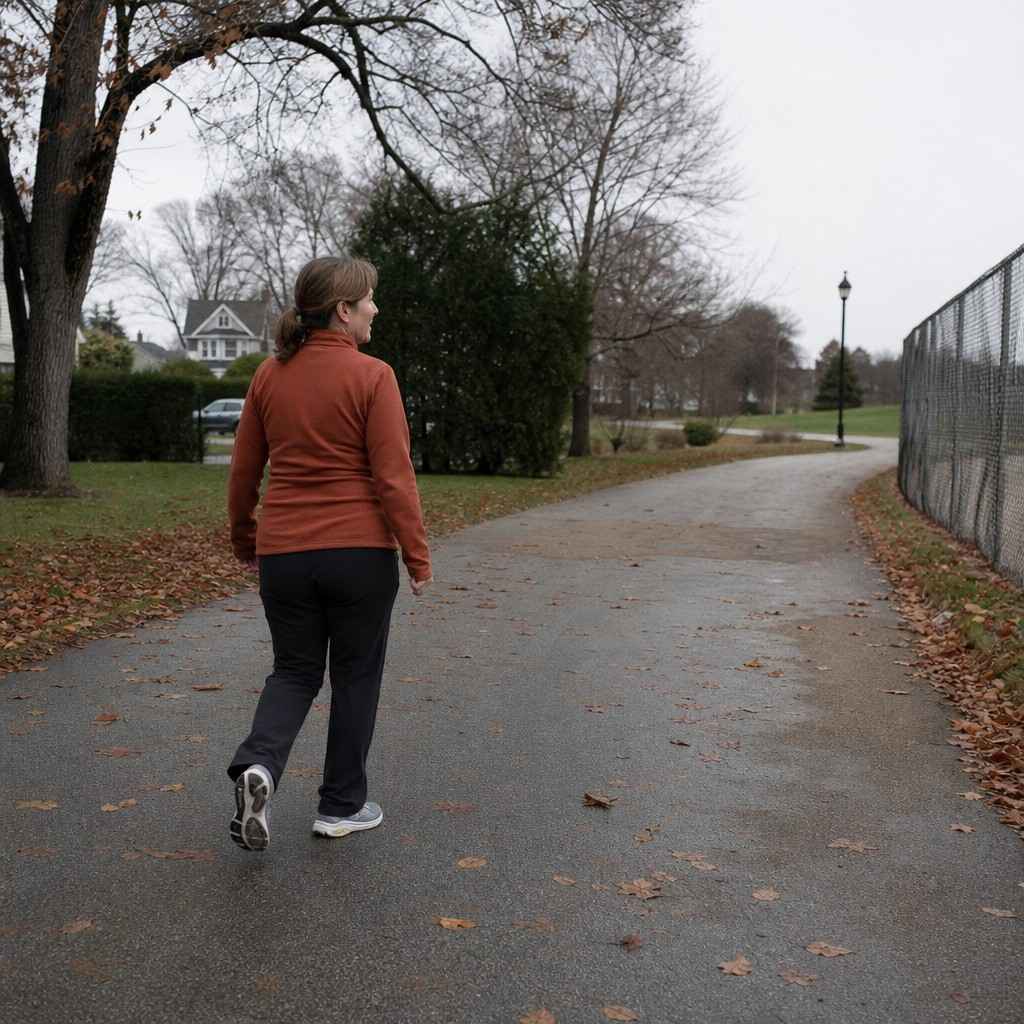
One of the hardest mental shifts in a comeback is treating a rest day as part of the plan rather than a gap in it.
The adaptation to training does not happen during the run. It happens afterward, while the body is repairing and rebuilding.
A rest day is not time off from the comeback. It is where the comeback actually happens.
At minimum, most returning runners do better with at least one full rest day per week. Some do better with two, especially in the early weeks.
There is no award for compressing the timeline.
If a rest day feels like losing ground, that instinct is worth questioning. For the runner who did too much too soon in their twenties and paid for it, the patience the second time is what makes the difference.
Easy days are not optional recovery
A common mistake is treating easy days as junk miles between hard efforts.
They are not. The easy day is a recovery tool.
Running gently keeps blood moving to the working tissues, which supports repair without adding significant new load. It is the difference between active recovery and just waiting for soreness to pass.
Easy means the talk test: a relaxed conversation at that pace. Not slightly hard. Not pushing the effort because you feel okay.
If you are boosting endurance output, easy days protect the sessions that actually build it. The piece on how to boost endurance on your running goes into why the easy-hard ratio matters so much for making progress stick.
Two or three easy sessions in a week alongside one slightly harder effort is a pattern most returning runners can sustain without accumulating risk.
What to eat to support recovery
Recovery nutrition does not need to be complicated.
The two basics: carbohydrate to replace muscle glycogen, and protein to support tissue repair. Within about an hour after a session is generally the window where both are most useful.
A rough guide:
- Carbs: a piece of fruit, a bowl of oatmeal, rice or potatoes alongside a meal
- Protein: eggs, Greek yogurt, fish, chicken, legumes
- Fluids: water throughout the day, not just after the run
The American College of Sports Medicine recommends 0.5 to 0.7 ounces of fluid per pound of body weight as a daily baseline, adjusted for sweat and temperature. After a run, replacing what you lost in sweat matters more than the exact number.
Nothing here requires tracking or supplements. The habit of eating something real within the hour tends to smooth out the recovery gap on its own.
Normal soreness versus a warning sign
Not all soreness is the same, and telling them apart matters more on a comeback.
Muscle soreness that peaks a day or two after a session and fades by day three is normal. That is delayed onset muscle soreness (DOMS), and it reflects adaptation, not damage.
What is different:
- Joint pain, especially at the knee, hip, or ankle
- Pain that sharpens during a run rather than fading into it
- Soreness that does not improve after two to three days of easy movement
- Localized tenderness along a tendon that gets worse with use
Those patterns call for backing off, not pushing through. A brief interruption at week two is far cheaper than a forced layoff at week eight.
The returning runner’s advantage is knowing the difference between hard and hurt. Beginners sometimes confuse the two. Returners usually have enough body literacy to recognize when something is actually off.
The instinct worth trusting: if a niggle makes you change your gait to avoid it, that is not soreness to run through.
Keeping the comeback going
The runners who make it past the first two months are usually not the fittest or the most motivated at the start. They are the ones who did not skip recovery.
Consistency built on patient weeks beats any single hard effort. Sleep, rest days, easy runs, real food, and the ability to recognize a warning sign before it becomes an injury.
That is the edge the second time around. Not youth, not volume. Experience plus patience.