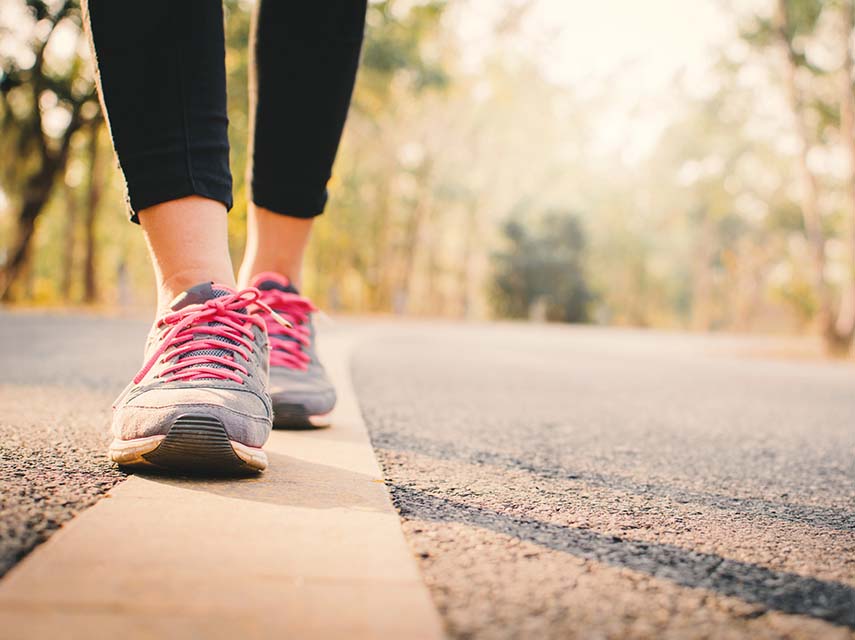
Walking for weight loss gets sold as simple. Walk more, weigh less.
The reality is a little more useful than that. Walking does support weight management, and it carries a range of health benefits that have nothing to do with the scale. But the expectations matter. Going in with the wrong picture of how it works is what leaves most returning adults frustrated after six weeks.
The honest version is more encouraging, not less.
What walking actually does for weight
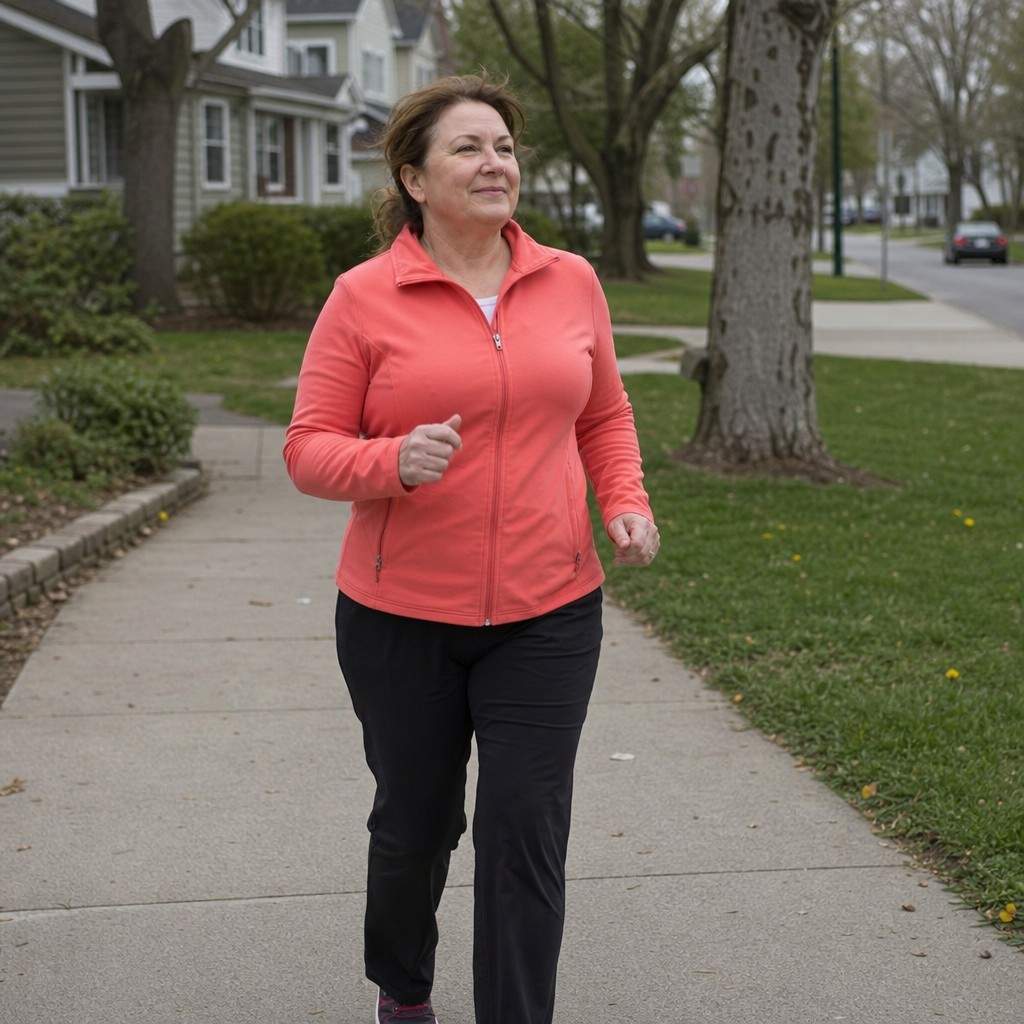
The body changes composition gradually. Walking burns calories, and over weeks of consistent movement, that adds up. The CDC recommends around 150 minutes of moderate activity per week for general health. A brisk walking pace qualifies. That is the baseline, and it is worth owning: if you hit 150 minutes of brisk walking each week, you are doing the real thing, not the beginner approximation of it.
For weight management specifically, the volume matters more than the speed. Longer sessions at a comfortable pace outperform short hard bursts for most returning adults, both because they are sustainable and because they are low enough impact to repeat.
Consistency is the active ingredient.
A single week of ambitious walks produces nothing measurable. Eight to twelve weeks of regular walking produces noticeable changes in energy, body composition, and how clothes fit. The number on a scale is a slow indicator; the functional changes come first.
Why movement beats crash effort on a comeback
Most returning adults have been through a version of the all-or-nothing cycle. The ambitious restart, the ache that shows up in week two, the pause that turns into months.
Walking sidesteps most of that. It does not inflame tendons, does not punish you the next morning, and does not require a recovery day after a 30-minute session. For the returner, that reliability is the point.
The best exercise for managing weight is one you can repeat next week.
The body does not distinguish between calories burned walking and calories burned doing something harder. What it cannot do is adapt to a routine you quit. Repeatable beats impressive.
Pairing walking with food, without obsessing over it
No walking routine outpaces a deeply disordered diet. That is worth naming plainly.
But the reverse is also true, and less often said: you do not need to overhaul your eating to see results from regular walking. The combination of movement and modest, reasonable food choices does the work without requiring a diet plan.
A few things that help without requiring calorie counting:
- Eating something with protein before a walk of 30 minutes or more keeps energy stable
- Replacing one processed snack per day with whole food (nuts, fruit, yogurt) creates a small consistent deficit over weeks
- Staying hydrated reduces the false-hunger signals that derail good intentions mid-afternoon
The guide to nutrition for endurance training goes deeper on fueling for exercise. Walking falls in that same framework: food as support for movement, not punishment for it.
Modest and consistent beats strict and unsustainable.
Pace, time, and what to actually track
Walking speed matters less than most people assume. A brisk pace is broadly defined as fast enough to elevate your breathing but still hold a conversation. That zone is where health and weight-management benefits accumulate.
For the first few weeks, track time, not steps or distance.
- Week one and two: 20 to 25 minutes, three or four times a week
- Week three onward: extend two of those sessions to 30 minutes
- After a month: add a fifth day before adding more time to existing sessions
Steps are a useful secondary measure once the habit is established. The health research on step counts finds benefit starting at 4,000 to 7,000 daily steps, which is a more honest target than the 10,000 figure that circulated for years.
Time on feet first. Steps follow.
The health payoff beyond the scale
Weight is one outcome. It is not the whole picture.
Regular walking improves cardiovascular function, bone density, and mood. The stress-regulation effect is real: a 25-minute walk in the middle of a difficult day does something measurable to cortisol levels, and returning adults who walk consistently tend to report better sleep.
Blood pressure, blood sugar regulation, and joint mobility all respond to steady low-impact movement. For the 40-plus returner, these compounding effects are often more consequential than any number on a scale.
The piece on how to start walking for fitness covers building the base habit for the first four to six weeks. That foundation makes everything in this article more achievable, because the habit comes before the results.
When to add more
Once you can walk briskly for 30 minutes three or four times a week without significant fatigue, the base is there to build on. Options at that point include longer sessions, light jogging intervals, or adding a strength day.
Adding variety at that stage is not complicating things. It is protecting the progress by spreading the load across different tissues.
A simple rule: add one variable at a time. More time, or more days, or a new activity. Not all three at once.
Progress on a comeback is slow, visible, and cumulative.
This is general information, not medical advice. If you are returning after a long gap, managing a health condition, or have joint concerns, check with your doctor before increasing your activity level.