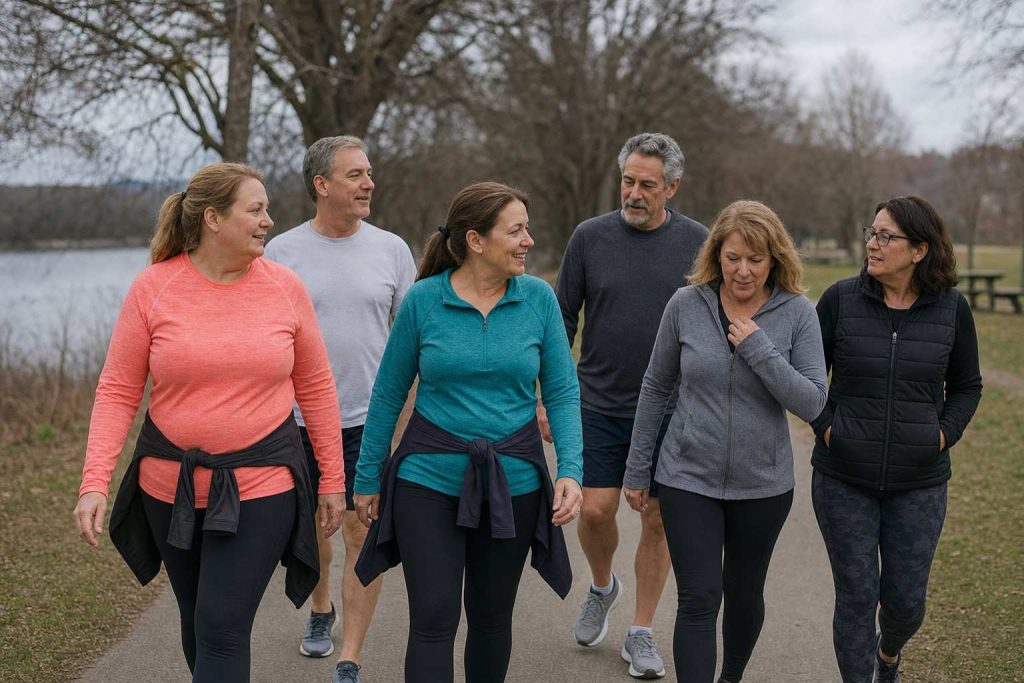
Walking rarely gets credit for what it actually does.
It is not a placeholder until you are ready for real exercise. For the returning adult, it is often the most durable base available. Low impact, scalable, and genuinely sustainable.
The comeback usually starts on foot.
Why low impact is not the same as low value
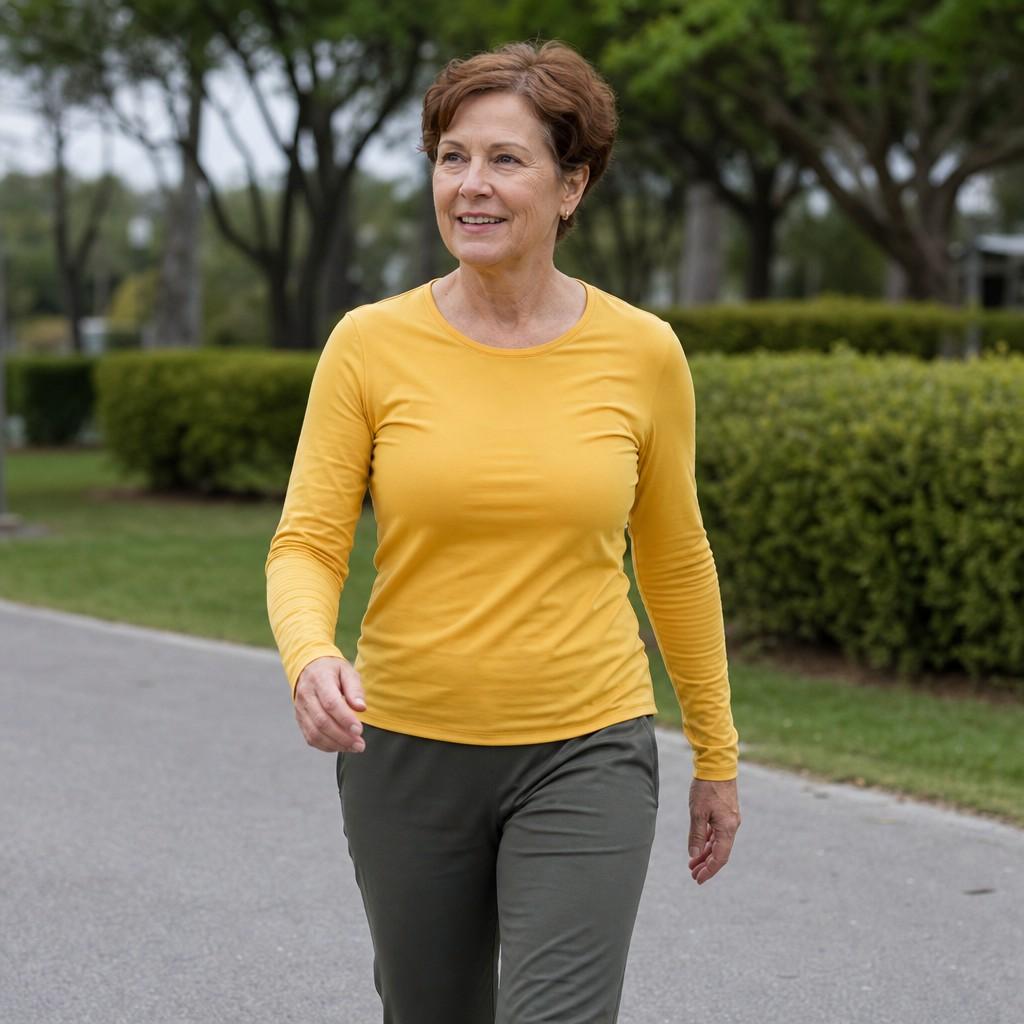
Running puts force through the joints equal to three or four times body weight. Walking keeps that closer to one and a half times. That difference matters when you have been away from regular exercise for a while.
The aerobic system responds quickly to resumed activity. Tendons, ligaments, and the smaller stabilizing muscles take longer. Walking loads the tissue enough to rebuild it without outpacing the recovery.
The CDC recommends 150 minutes of moderate activity per week for general health. Brisk walking qualifies. That is not a rounding error or a consolation standard. It is the benchmark.
Weight-bearing without the wear.
What walking builds on the way back
Walking is doing more than moving your legs. Used consistently, it rebuilds several things that erode during a long gap:
- Aerobic capacity, gradually and without inflammation
- Leg and core strength, through the repetition of full steps
- Balance and coordination, through regular gait practice
- Bone density, because walking is weight-bearing where cycling is not
- The habit itself, which is often the hardest thing to rebuild
The first six weeks of a comeback are about building the habit, not the fitness.
None of this requires a long walk. A 20-minute brisk session three times a week is enough to start the process. The early sessions are about consistency, not distance.
Starting smaller than feels necessary
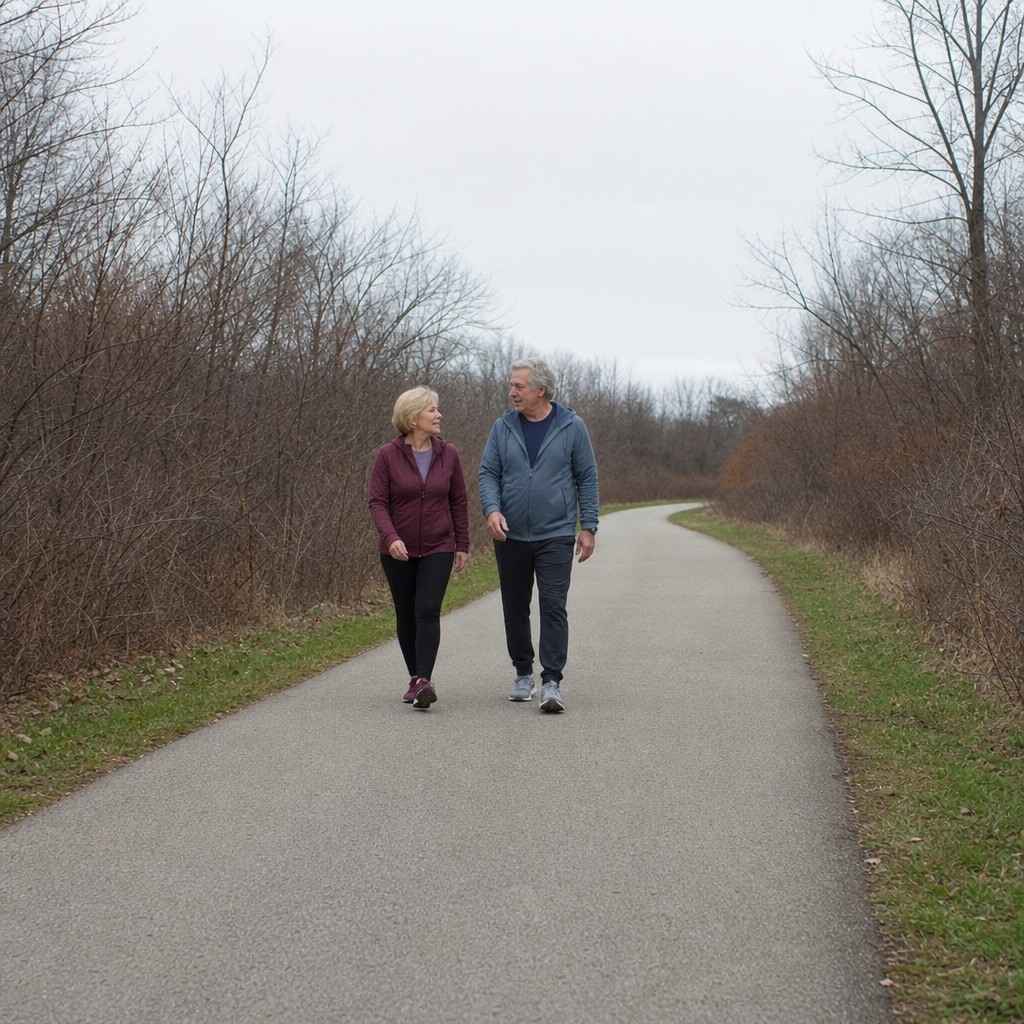
This is where most well-intentioned comebacks stall. The first week is ambitious, something complains, and the routine falls apart before it has formed.
A straightforward first two weeks:
- Three sessions of 15 to 25 minutes at a brisk but comfortable pace
- Rest the day after any session that leaves legs noticeably tired
- Skip tracking pace for now; focus on finishing and showing up again
Boring and sustainable beats exciting and short-lived.
In week three, extend two sessions to 30 minutes. Keep at least one easy day between sessions. Nudge one thing at a time and hold there for a week before adjusting again.
If two weeks at this level feels easy, that is fine. It means the base is forming.
Where walking fits in a broader comeback
Walking does not have to stay walking. For most returning adults the question is not whether to add running but when, and the answer is usually later than feels right.
Once you can walk briskly for 30 minutes three or four times a week without significant fatigue, the body is ready to experiment. A simple walk-run structure, starting with one-minute jogs inside longer walks, is the most common on-ramp to how to start walking for fitness and then building into running.
There is also a good argument for keeping walking as a permanent part of the schedule even after running resumes. It spreads the weekly load, reduces injury risk, and gives the legs an active recovery day without full rest.
Walking is a training mode. Not a waiting room.
The practical details
A well-fitted pair of walking or running shoes is the main equipment consideration. Look for cushioning, a fit that does not pinch or slip, and enough traction for the surfaces you use.
Wear breathable layers and carry water for anything over 30 minutes. Route and time of day matter mainly for consistency: a familiar, convenient route removes the daily planning decision.
One thing worth knowing about soreness: mild muscle fatigue in the first one to two weeks is normal as tissue readjusts to regular load. Sharp or persistent joint pain is not. If something in the knee or hip hurts consistently, ease off before it becomes a longer setback.
This is general information, not medical advice. If you are returning after an injury or have a health concern, check with your doctor before increasing your activity level.
Building from a walking base
Walking is one part of a durable comeback, not the whole of it. Most people who sustain the habit long-term end up mixing modes: a walk day, a short run, a strength session or a bike ride across the week.
Mixing spreads the physical load, reduces the chance of overuse, and keeps things interesting enough that the habit does not quietly collapse. The role of walking in weight management and overall health is a related piece of the picture.
The best first move is usually the one you will repeat.
The goal of the first month is to still be walking in month two.