
Most comebacks do not end with a dramatic injury or a crisis of willpower. They end quietly.
The runs get less interesting, the weather turns, a week gets busy, and the habit slips away without a decision ever being made.
Two things protect against that quiet fade: variety and a bit of structure. A gym or a running club is one way to get both, but the principles matter more than the membership.
What keeps you going is rarely motivation. It is the setup around the motivation.
Variety keeps the body and the interest fresh
Doing the exact same workout every session is hard on two fronts. It loads the same tissues the same way, which is how overuse injuries start, and it gets boring, which is how habits die.
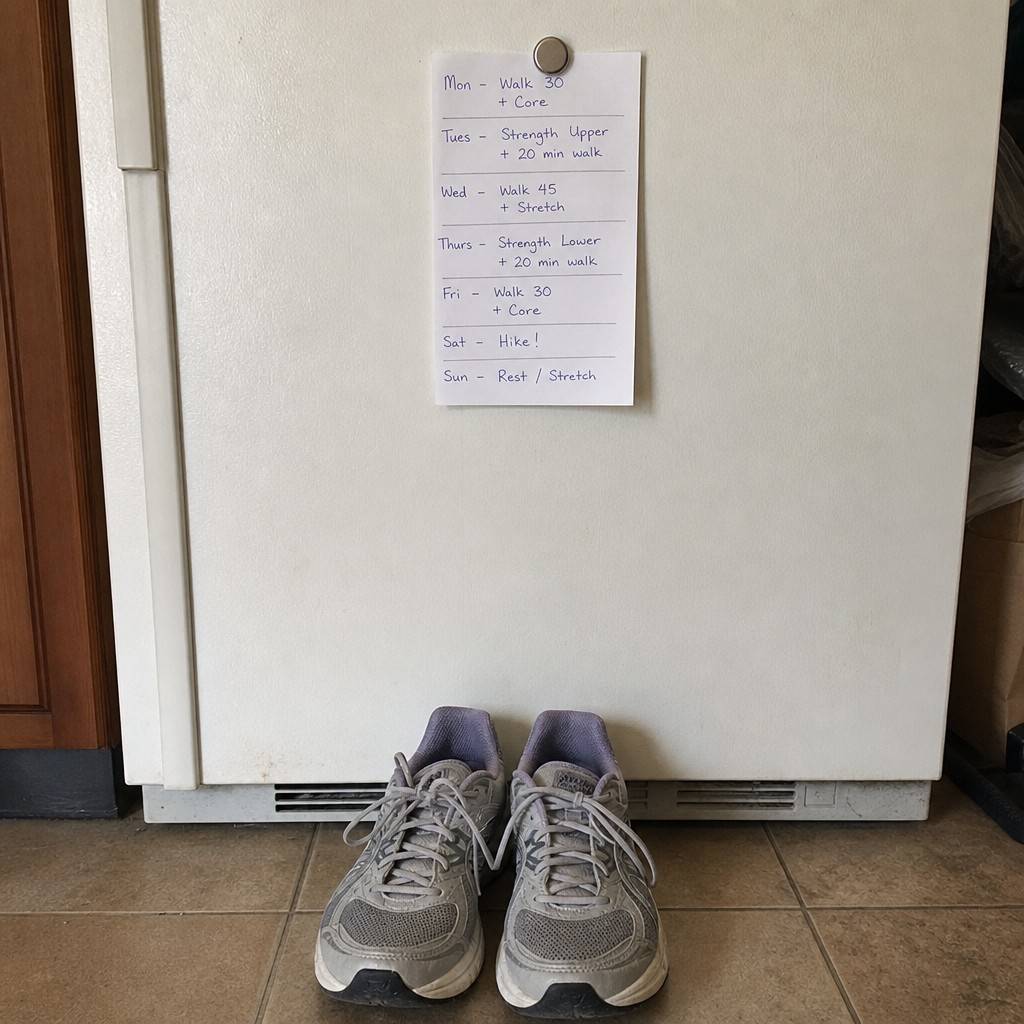
Mixing modes solves both at once. A walk one day, an easy run the next, a strength session or a bike ride later in the week. The variety spreads the physical load across different muscles and joints, and it gives you something to look forward to instead of the same loop on repeat.
A gym makes this easy because the options are all in one place. You do not need one to get the benefit, though. A pair of shoes, a set of stairs, and a bit of floor space cover most of it.
The best plan is the one that does not bore you into quitting.
A little structure beats raw willpower
Willpower is a bad long-term plan. Strong in January, gone by February.
Structure is what carries you when motivation dips, and it does not have to be elaborate. A standing time of day to move, a simple weekly outline, a class on the calendar, or a friend expecting you.
Each one removes a decision. Removing decisions is what keeps a comeback alive on the days you would otherwise talk yourself out of it.
This is the real value behind joining something. A class at a set time or a club that meets on Saturdays is just structure with company attached. The group is not the magic. The appointment is.
Motivation gets you out the door once. The appointment gets you back next week.
Company makes the hard days easier
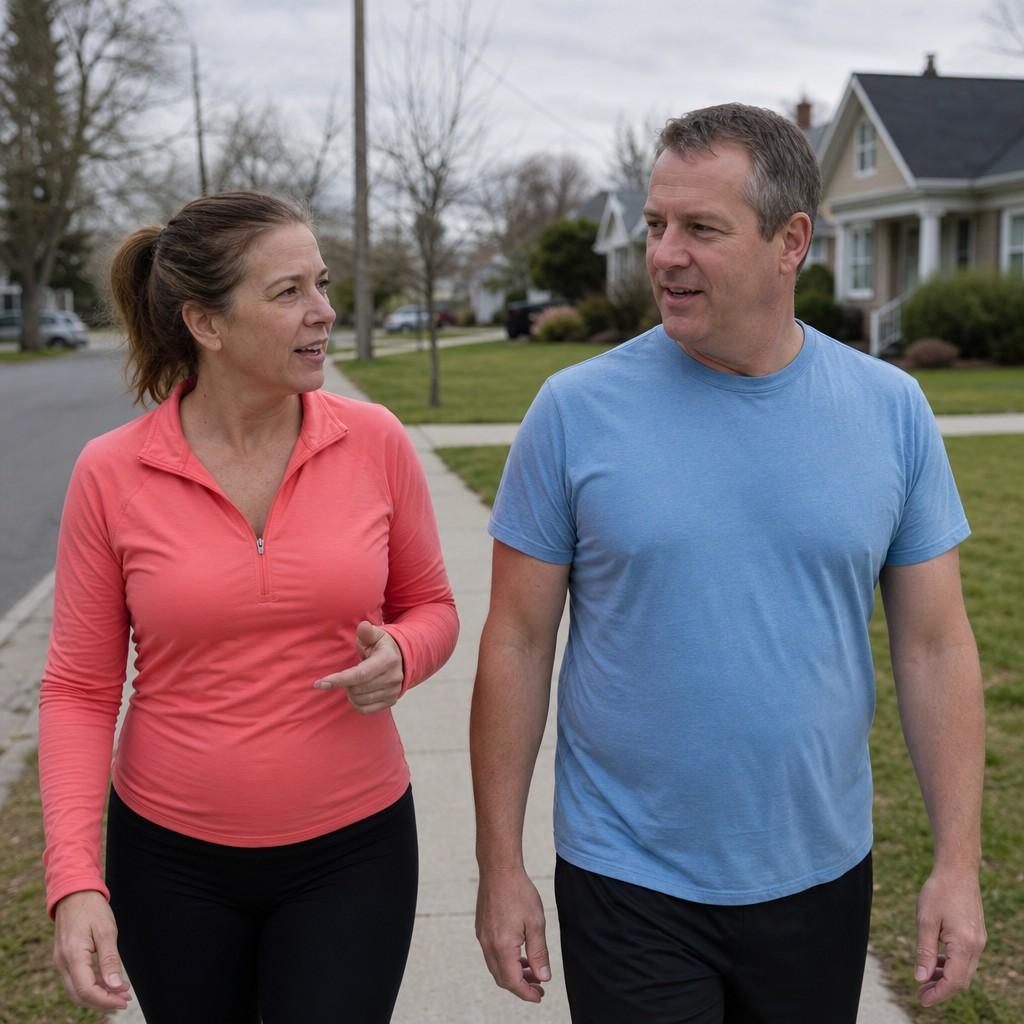
There is a reason group runs feel different. Showing up for other people is easier than showing up for yourself.
The miles pass faster in conversation, too.
You do not need a formal club to tap into that. A single training partner does most of the work. So does a regular class, a parkrun, or even a group chat where people report what they did that week.
The point is simple accountability. When someone notices whether you turn up, you turn up more often.
How to build it without overthinking
None of a club’s advantages are locked behind the membership. You can build the same setup from scratch:
- Pick two or three different activities so no single one carries the whole week
- Set fixed days and times so movement is a default, not a decision
- Find one person, class, or event that expects you to show up
- Keep at least one day genuinely easy or off, so the structure is sustainable
That mix of variety and light structure is the engine room of a durable comeback.
It pairs naturally with rebuilding your endurance base and with the simple strength work that keeps returning runners injury-free.
None of it requires a perfect program or an expensive membership. It requires a setup you will actually keep, built around the truth that a comeback is won on the ordinary days, not the inspired ones.