
Most people coming back to running after a long gap ask the same quiet question somewhere around week two: should I be working with a coach?
It is a fair question.
The right answer depends on what a coach actually gives you, and whether there is a cheaper way to get most of the same thing.
What a coach actually does for a returning runner

A coach does three things that genuinely matter on a comeback.
First, structure. A good coach does not hand you a generic plan. They build your week around your starting point, your schedule, and how your body responds. That matters more at 48 than it did at 28, because the margin for doing too much too soon is smaller.
An outside eye on load is what prevents the month-two crash.
Second, accountability. Knowing someone is tracking your sessions changes how often you skip them. This sounds simple, and it is. But simple and effective are not the same thing.
Third, form and pacing feedback. Most returning runners run their easy days too hard, which means they arrive at the hard days already tired. A coach spots this quickly from your pace data or a short video clip. Left unchecked, it is a slow leak that costs a comeback more than any single bad session.
A coach is not a motivational tool. The structure, the load management, and the outside eye are what make the money worth it.
When coaching is actually worth it on a comeback
Coaching earns its price in a few specific situations.
- You have a history of comeback injuries and cannot figure out why they keep happening
- You are training for a goal race with a fixed date and real consequences if you get hurt
- You have tried self-directed plans twice and dropped them both times
- You want to eventually do something like a short triathlon and need someone to map the swim-bike-run build correctly
Outside those situations, coaching is often solving a problem you do not have yet.
Most returners do not need a coach. They need a plan and someone to answer to.
The cheaper alternatives that give most of the same benefit
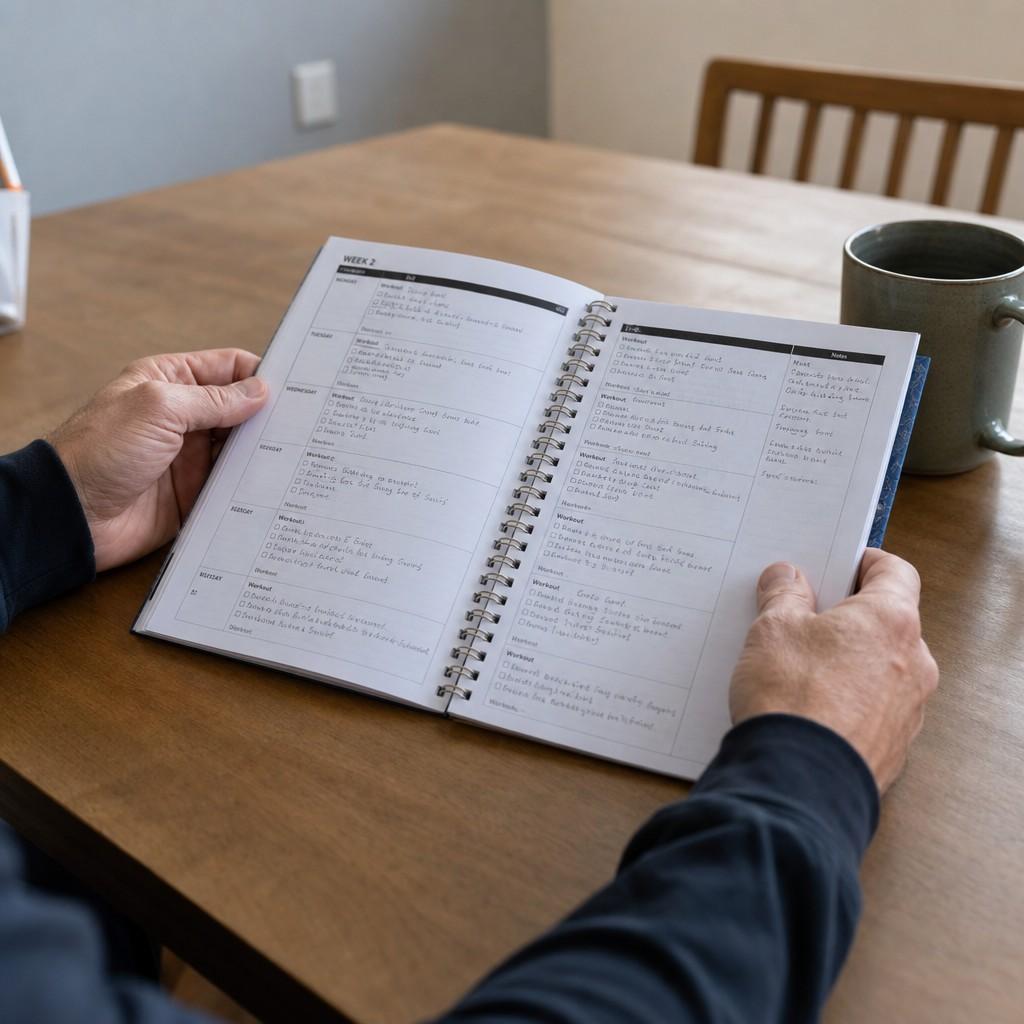
There is no magic in the coaching relationship itself. The magic is in structure, consistency, and feedback. All three are available at lower cost.
A simple written plan
A beginner walk-run plan from a credentialed source, like those from the Road Runners Club of America, gives you the structure most people are missing. You follow it the same way you would follow a coach’s instructions: one session at a time, without skipping ahead.
The missing piece is the second set of eyes. A plan cannot watch you run.
That is what the other alternatives fill in.
A running group or club
Most US cities have free or very low-cost running clubs with group runs built around mixed paces. You get accountability (people expect you to show up), company on the longer efforts, and often a more experienced runner nearby who will notice if you are going out too hard.
Check local running stores, which almost always organize group runs, or search the Running USA club finder for something near you.
It is also one of the best structures for keeping a comeback going past the first month, because the social pull is real. The reasons a structured group environment keeps people consistent apply just as well to a Saturday morning run club as to a gym.
A training partner
One person who has agreed to show up with you is often enough. You do not cancel on a training partner the way you cancel on yourself.
The key is finding someone at a similar stage, not someone whose fitness will leave you gasping to keep up. Similar paces, similar goals, similar schedules. That is the whole criteria.
A walk-run progression
For the first six to eight weeks, the format matters more than the coach. A structured walk-run build, like the kind covered in how to rebuild endurance when you are starting over, does the same work a coach would prescribe at this stage.
Run easy for a minute or two, walk for a minute, repeat. Keep the talk test in mind. Nudge the running minutes up slowly. Most coaches give their beginning-again clients something that looks very much like this.
The gap is feedback. The plan alone cannot see you.
Putting it together
If you are coming back after a gap and budget is a concern, try this sequence before paying for coaching:
- Pick a simple walk-run plan from a credentialed source
- Join a local running group, or find one person to run with once a week
- Film yourself running for thirty seconds from a phone propped against a bench, and watch it back
That last one is underused. You will see things in thirty seconds of video that you would never feel from inside the effort.
Coaching makes sense when the self-directed version has genuinely failed, or when the goal is specific and time-bound enough that the cost is worth protecting.
For most returning runners, the simpler version works. And working is what matters.
This is general information, not medical advice. If you are returning after an injury or have a health condition, check with your doctor before ramping up.