
The 10,000-step target did not come from a doctor or a clinical trial. It came from a 1960s Japanese pedometer called the Manpo-kei, which translates roughly as “10,000 steps meter.” The number was a catchy round figure, and it stuck.
That is not a reason to dismiss walking as exercise. It is a reason to stop letting an arbitrary slogan set your expectations.
You probably need fewer steps than you think to see real benefit.
What the research actually shows
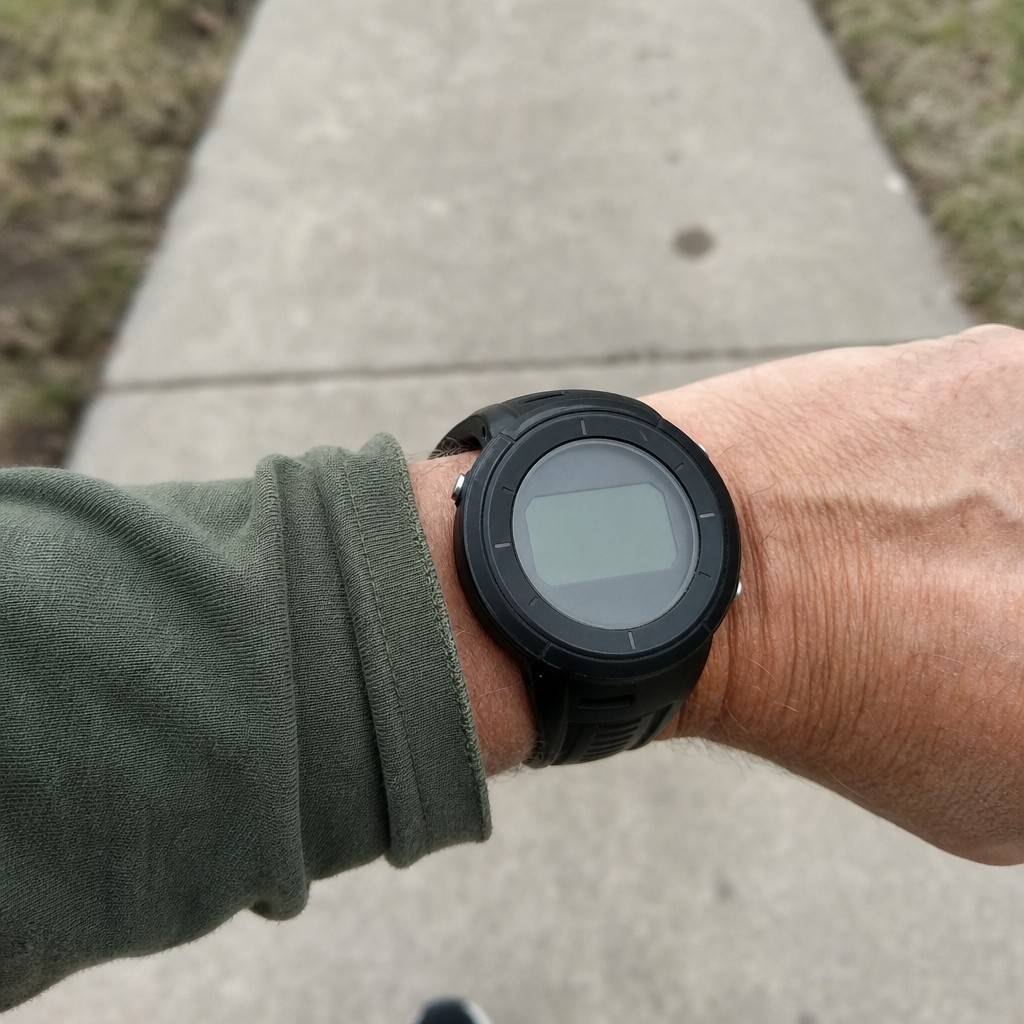
Large studies on step counts and health outcomes broadly agree on a few things. Benefits appear well below the 10,000 mark, particularly for adults who are currently sedentary.
Research has consistently found that the jump from very low daily steps to a moderate count, somewhere in the range of 5,000 to 8,000, is associated with meaningful improvements in cardiovascular health, blood sugar regulation, and mortality risk. Above that range, additional steps continue to add benefit, but the returns shrink.
The steepest gains come early. Moving from almost no walking to a moderate daily count produces more change than the leap from 8,000 to 10,000.
For returning adults specifically, this is good news. You do not have to hit an arbitrary five-digit number before the body starts responding.
“More than you do now” is the honest starting point
If you are rebuilding after a long gap, the most useful step goal is one that is higher than your current average.
Track a few ordinary days without changing anything. That baseline, whatever it is, is your starting point. From there, a modest weekly increase is more sustainable than chasing a fixed target from day one.
A few hundred extra steps a day adds up quickly. Parking a little further away, taking a short walk after dinner, getting off the bus one stop early: these close the gap without requiring a dedicated workout slot.
Consistency across weeks matters more than peak days.
Why pace deserves a place in the conversation
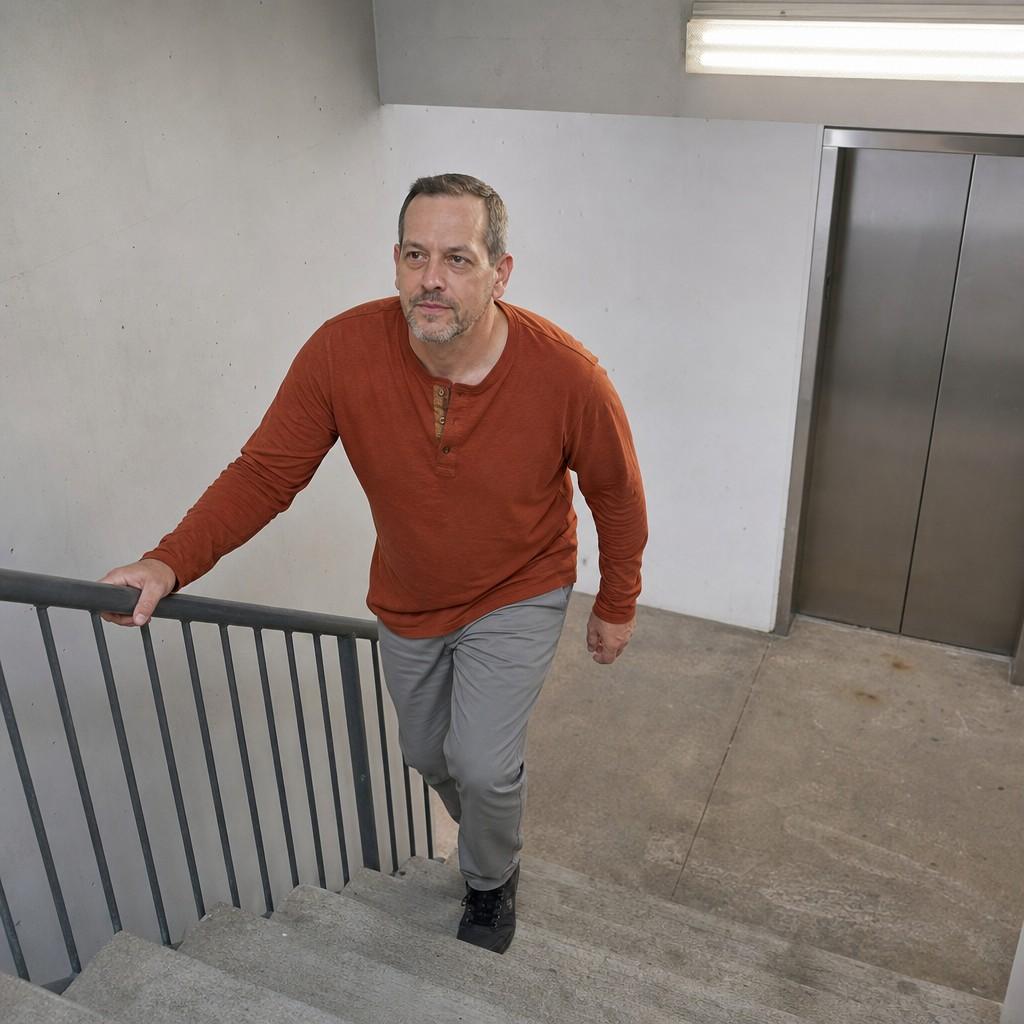
Step count is not the only variable. How fast those steps happen also shapes the benefit.
Research on walking intensity has found that brisk walking, fast enough to raise your breathing but still hold a conversation, is associated with stronger cardiovascular outcomes than the same number of steps at a stroll. For someone starting walking for fitness after time away, this matters: a shorter, brisker session can deliver more than a longer amble.
This is not a reason to push past what feels comfortable. It is a reason to pay attention to pace as the habit builds, rather than fixating on the step counter alone.
Steps are a useful proxy. Effort is what the body is actually responding to.
Practical goals, by where you are now
There is no universal right number, because the right number depends on where you are starting. A rough framework:
- If you are currently getting under 3,000 steps a day: aim to add 500 to 1,000 steps a week until you reach a moderate daily baseline. That is the zone where the research shows the most substantial gains.
- If you are already around 5,000 to 6,000: adding a short brisk walk on most days, around 20 minutes at a pace that raises your breathing, is likely enough to push into the range associated with solid health outcomes.
- If you are comfortably over 7,000: the next lever is intensity or variety, not raw step count. For managing weight alongside steps, the piece on walking and weight management covers how walking fits that goal.
None of these brackets require a fitness tracker to execute. Comfortable shoes and a consistent habit will do most of the work.
Making the count without making it a project
The simplest way to build steps is to attach them to something you already do.
A short walk before or after a meal. Stairs instead of the elevator when the option is there. A loop around the block at lunch. These are not workouts. They are accumulated movement, and they count.
- Walk during calls you would otherwise take sitting down
- Set a timer to stand and move for five minutes every hour
- Build a standing route for your most common errand
No special equipment needed. No app required.
Breaking the day into several shorter walks is also a reasonable approach. Research on activity patterns has found that three shorter sessions can produce similar health outcomes to one longer one, as long as the pace is enough to qualify as moderate activity.
The number is a tool, not a verdict
Returning to regular movement after a long gap involves enough to think about already. Step count is one useful signal among several, not a daily pass-fail test.
If 6,000 steps is what you can sustain, that is better than 10,000 steps for two weeks followed by a sore knee and a week on the couch. If 4,000 steps is where you start, that is a legitimate starting point, not a failure to reach the target.
The goal is movement you will keep doing.
The 10,000-step figure has earned a kind of cultural authority it never quite deserved. The honest version is simpler: move more than you currently do, do it consistently, and let the habit build from there.
This is general information, not medical advice. If you are returning after an injury or managing a health condition, check with your doctor before increasing your activity level.