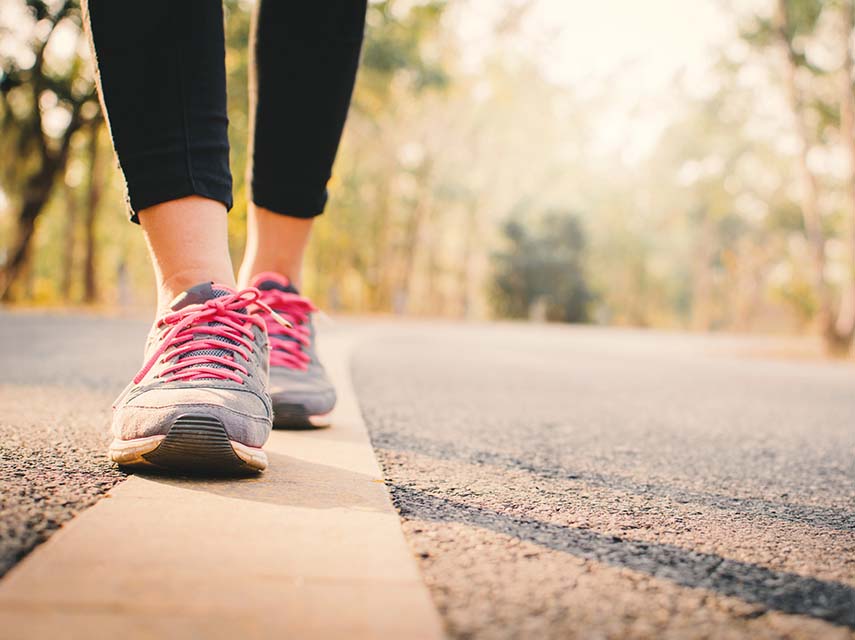
Walking is not the consolation prize.
For the returning adult who has been away from regular exercise for a while, walking is often the most honest starting point available. Not because running is too hard or the body is too far gone, but because the aerobic system and the connective tissues come back at different speeds. Walking lets both catch up before the load increases.
It is not what you do instead of training. It is where training begins.
Why walking earns its place on a comeback
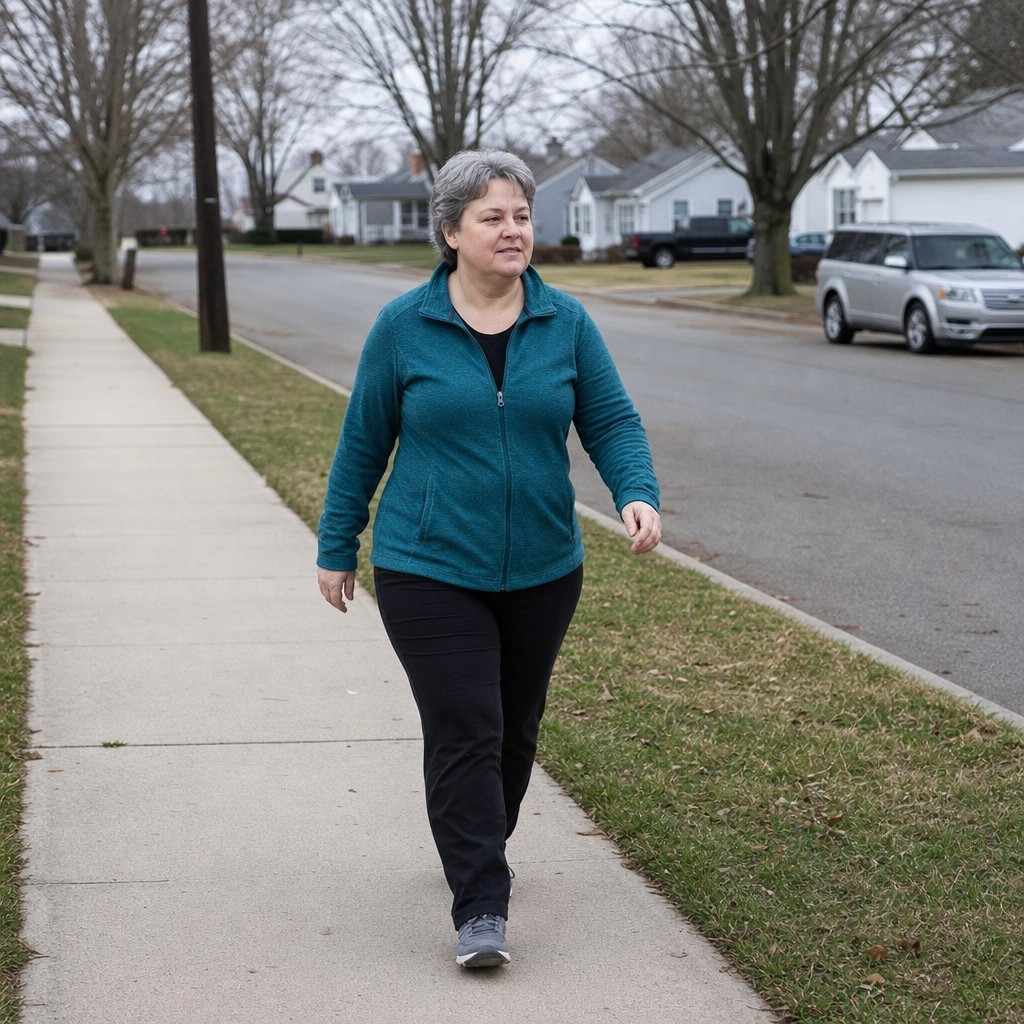
The popular framing puts walking below running on some imaginary fitness hierarchy. Coming back after a gap, that framing gets people hurt.
When someone returns to regular movement after years away, the lungs and the heart adapt faster than tendons, ligaments, and joints. Running too soon puts a load on tissue that is not ready. Walking builds the connective base without overloading it.
The CDC recommends roughly 150 minutes of moderate activity per week for general health. Brisk walking qualifies. That is not a beginner’s approximation of the real thing. It is the real thing.
Walking three days a week rebuilds more than you’d expect.
What a sensible first few weeks looks like
Start shorter than feels necessary. This is where most well-intentioned comebacks go sideways: the first week is too ambitious, something complains, and the whole effort stalls.
A simple structure for the first two weeks:
- Three or four sessions of 15 to 20 minutes at a brisk but comfortable pace
- Rest the day after any session that leaves your legs noticeably tired
- Skip tracking pace entirely; focus on time and consistency
Week three, extend two of those sessions to 25 minutes. Keep at least one easy day between sessions. You are not testing your limits. You are building a base.
If two weeks at this level feels too easy, that is fine. Boring and sustainable beats exciting and injured.
The form basics that actually matter
Walking well is not complicated, but a few habits prevent the aches that give walking an unfair reputation.
Keep your head level and eyes forward rather than looking down at the ground. This keeps the spine aligned and reduces neck and shoulder tension. Let your arms swing naturally with elbows gently bent. The swing creates balance and takes some load off the legs.
Step with a heel-to-toe roll rather than flat-footing the ground. This absorbs impact across the full foot and reduces stress on the knees.
One thing worth knowing before dismissing soreness: mild muscle fatigue in the first week or two is normal as tissue readjusts. Sharp joint pain is not. If something in the knee or hip hurts consistently, ease off before it escalates.
This is general information, not medical advice. If you are returning after an injury or have a health concern, check with your doctor before ramping up.
The goal of the first month is to still be walking in month two.
When and how to add easy jogging
Walking does not have to stay walking. For most returning adults the question is not whether to run but when, and the answer is usually later than feels right.
A rough guide: once you can walk briskly for 30 minutes three times a week without significant fatigue, the body is ready to experiment with short running intervals.
A simple structure for the transition:
- Walk four to five minutes, jog one minute, repeat for 20 to 25 minutes
- Keep the jog slow enough that you could hold a conversation without gasping
- Do this two or three times a week, not every day
The one-minute jogs feel trivially short. That is the point. The same steady-build logic that applies to rebuilding endurance from scratch applies here. Adding load gradually is what keeps the comeback from becoming a setback.
Short jog intervals, easy pace. The whole thing counts.
Increase the jog time only when the current ratio feels genuinely easy, not just manageable. Nudge one variable at a time and hold there for a week before the next adjustment.
What to wear, and what not to overthink
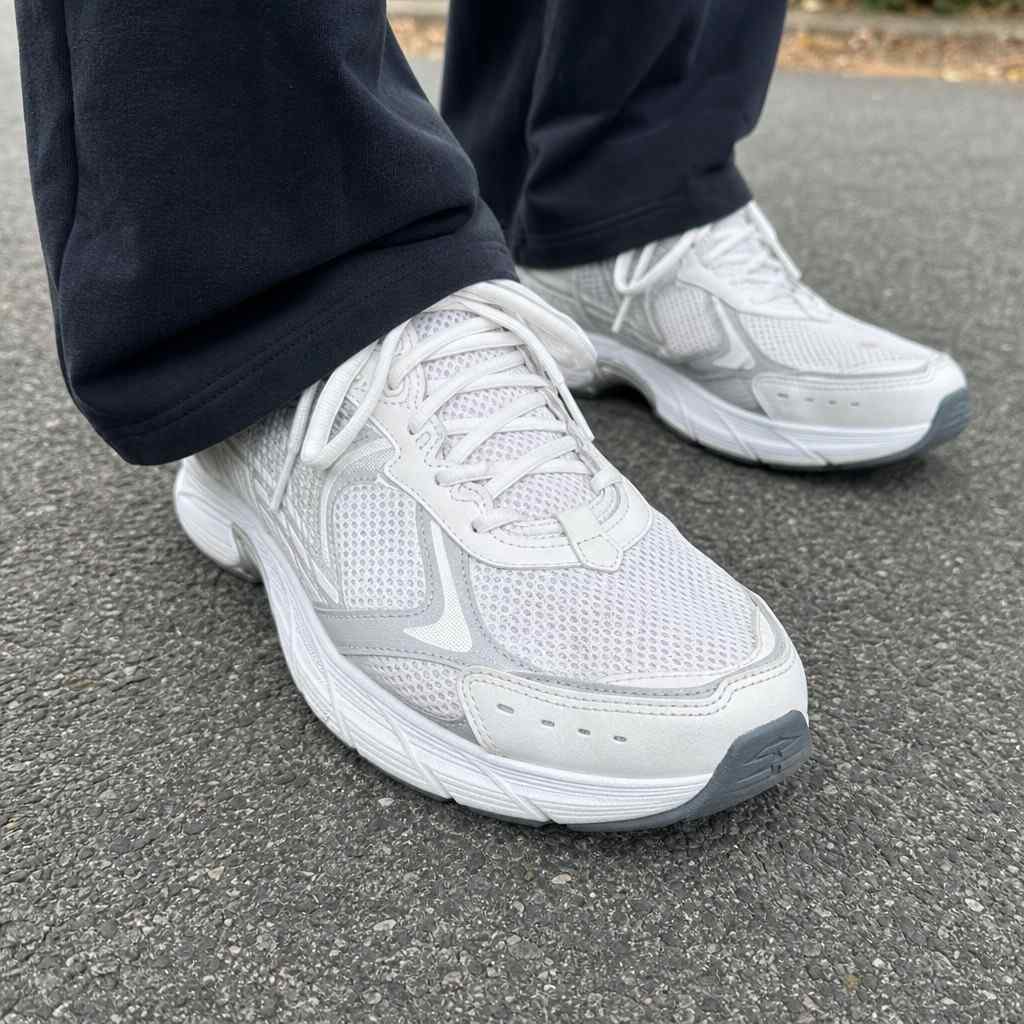
A well-fitted pair of walking or running shoes is the only equipment that genuinely matters. Look for something with decent cushioning, a fit that does not pinch or slip, and breathability for longer sessions.
Moisture-wicking fabric in warm weather and a light layer in cooler conditions covers most of it. The rest, the trackers, the foam rollers, the specialized walking poles, is optional.
If you want to explore walking shoe options, browsing walking shoes for beginners on Amazon is a reasonable starting point. One pair that fits well is enough.
Building the habit before adding variety
Consistency in the first four to six weeks matters more than any individual session. The habit is the base. Everything else is built on it.
A few things that help:
- Same time of day, most days. The decision disappears when the time is fixed
- A standing route, even a short one, so the session requires no planning
- Someone who notices if you show up, even informally
Once the walking habit is reliable, variety is what keeps it going. Mixing a walk day, a short strength session, and an easy jog across the week spreads the load and keeps boredom from doing what motivation alone cannot. The case for mixing modes, and how to do it simply, is in the piece on why variety and structure make a comeback stick.
The comeback does not have to be complicated. It has to keep happening.